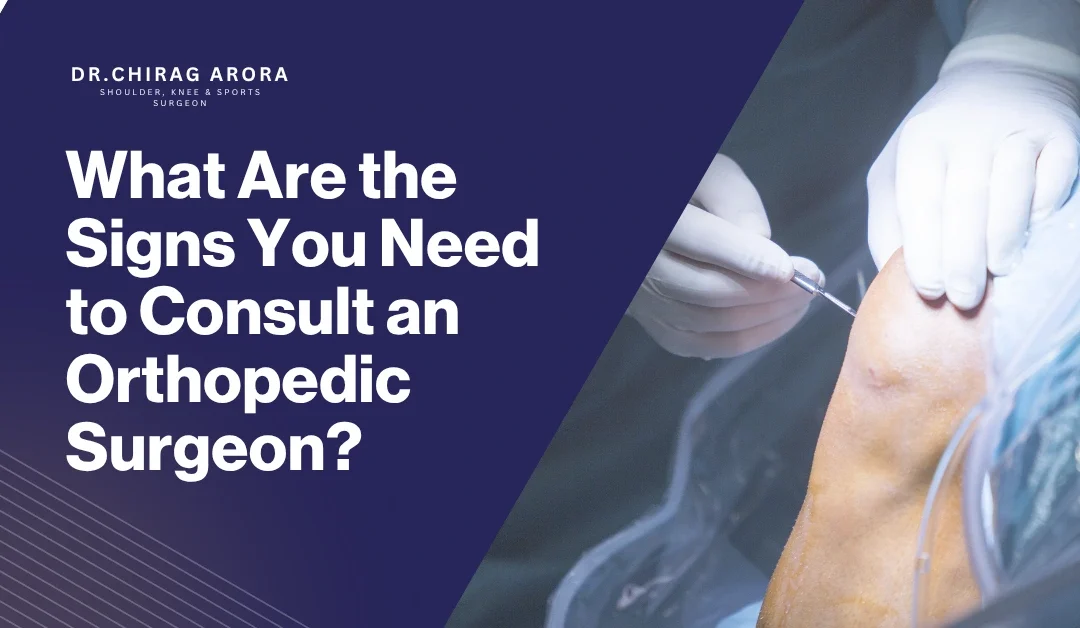
Preventing Knee Injuries in Weekend Athletes

Preventing Knee Injuries in Weekend Athletes

PREVENTING KNEE INJURIES IN WEEKEND ATHELETES

Weekend athletes—individuals who engage in sports such as football, badminton, running, cricket, or gym workouts primarily on weekends—are particularly vulnerable to knee injuries. Unlike professional or regular athletes, they often combine high-intensity activity with inadequate preparation and recovery. The knee, being a complex weight-bearing joint, is one of the most commonly affected areas.

Why Weekend Athletes Are at Higher Risk

  • Sudden bursts of activity after a sedentary workweek
  • Poor muscle conditioning and flexibility
  • Inadequate or cool-down
  • Ignoring early warning signs of injury

Common injuries include meniscus tears, muscle , ACL , patellofemoral pain syndrome, ligament tears and early cartilage damage.

PREVENTION TIPS

1. Importance of a Proper Warm-Up

A warm-up is not optional—it is injury prevention.

What a Good Warm-Up Should Include (10–15 minutes)

a. Light Aerobic Activity (5 minutes)

  • Brisk walking
  • Slow jogging
  • Cycling

This increases blood flow and prepares muscles and ligaments for load.

b. Dynamic Stretching (5–7 minutes)
Focus on controlled movements rather than static holds:

  • Leg swings (front-to-back and side-to-side)
  • Walking lunges
  • High knees
  • Hip openers

c. Muscle Activation (3–5 minutes)

  • Quadriceps sets
  • Glute bridges
  • Mini squats
  • Resistance band walks

Why it matters:
A proper warm-up improves neuromuscular control, joint stability, and reaction time—key factors in preventing ACL and meniscal injuries.

2. Common Training Errors That Lead to Knee Injuries

a. Sudden Increase in Intensity or Duration

Playing an intense match after weeks of inactivity is a common trigger for ligament and cartilage injuries.

Rule of thumb:
Increase intensity or duration by no more than 10% per week.

b. Poor Technique

  • Incorrect landing after jumps
  • Twisting movements with a planted foot
  • Improper squatting or running form

These place excessive shear forces on the knee, particularly the ACL and meniscus.

c. Muscle Imbalance

Weak quadriceps, hamstrings, or hip abductors increase stress on the knee joint.

Key muscles to strengthen:

  • Quadriceps
  • Hamstrings
  • Gluteal muscles
  • Core muscles

d. Inadequate Footwear

Worn-out or inappropriate shoes can alter biomechanics and increase knee load, especially in runners and court-sport players.

e. Skipping Recovery

Lack of rest, , and sleep delays tissue recovery and increases injury risk.

3. RED FLAG SYMPTOMS YOU SHOULD NOT IGNORE

Continuing to play despite warning signs often converts a minor injury into a surgical problem.

Seek medical evaluation if you experience:

  • Persistent knee pain lasting more than 3–5 days
  • Swelling during or after activity
  • Knee locking or catching, suggesting meniscus injury
  • Instability or giving way, often linked to ligament injury
  • Inability to fully bend or straighten the knee
  • Pain with twisting movements

Early assessment can prevent long-term damage and prolonged downtime.

4. Practical Injury-Prevention Tips for Weekend Athletes

  • Maintain year-round basic fitness, even on weekdays
  • Warm up before and cool down after every session
  • Strength train 2–3 times per week focusing on lower limb and core
  • Learn correct technique from a coach or physiotherapist
  • Use appropriate sport-specific footwear
  • Do not “play through pain”

TAKE-HOME MESSAGE

Most knee injuries in weekend athletes are preventable. A structured warm-up, avoidance of common training errors, and early recognition of red-flag symptoms can significantly reduce injury risk. When knee pain persists or affects performance, timely evaluation by an orthopaedic/Sports specialist can prevent progression to serious ligament or cartilage damage.

Experiencing knee pain, swelling, or instability after weekend sports?
Consult Dr. Chirag Arora, best , for expert , sports injury care, and advanced orthopedic treatment.

Painful Shoulder: When to consider beyond Frozen Shoulder?

Painful Shoulder: When to consider beyond Frozen Shoulder?

PAINFUL SHOULDER : WHEN TO CONSIDER BEYOND ?

Shoulder pain is one of the most common reasons patients visit an orthopaedic specialist. Two conditions that frequently cause discomfort, restriction, and night pain are Frozen Shoulder (Adhesive Capsulitis) and Rotator Cuff Tears. Although they may feel similar initially, their causes, symptoms, and treatments are completely different — which is why an accurate diagnosis is crucial.

In this article, we break down the key differences every patient should understand, so you know when to seek treatment and what to expect.

What Is Frozen Shoulder?

    Frozen Shoulder occurs when the capsule becomes inflamed, thickened, and extremely tight. This leads to progressive stiffness and difficulty moving the arm in all directions.

    Common characteristics

    • Severe stiffness
    • Pain (especially at night)
    • Gradual onset
    • Difficulty with routine activities like combing hair, reaching behind the back, or lifting the arm
    • Severly compromised movement/ROM.

    Common in

    • Women/Men aged 40–60
    • Diabetic patients/Thyroid issues
    • Post-injury or after prolonged immobilization (e.g., cast, sling)
    • Post surgery

    Frozen Shoulder is more of a stiffness problem than a tendon/strength problem.

    What Is a ?

      The rotator cuff is a group of tendons that stabilize the shoulder. These tendons include supraspinatus, infraspinatus, teres minor and subscapularis. A tear in any of these tendons — commonly the supraspinatus — leads to pain, weakness, and difficulty lifting the arm.

      Common characteristics

      • Sharp pain
      • Significant weakness when lifting or reaching overhead
      • Pain during activity
      • Often severe night pain
      • May follow an injury, fall, or heavy lifting

      Causes

      • Trauma
      • Age-related degeneration (common after age 50)
      • Repetitive overhead work or sports

      Rotator cuff tears are tendon injuries, not stiffness conditions.

      Frozen Shoulder vs Rotator Cuff Tear: The Key Differences

      1. Pain vs Stiffness

      Frozen Shoulder:

      • Both pain and stiffness are present, but stiffness is the main issue.

      Rotator Cuff Tear:

      • Pain and weakness are the dominant symptoms; stiffness is mild or secondary to pain, predominantly weakness of lifting strength.

      2. Range of Motion

      Frozen Shoulder:

      • Active + Passive ROM are both restricted.
        Even when the doctor moves your arm, movement is limited.

      Rotator Cuff Tear:

      • Active ROM is reduced, but
      • Passive ROM is usually normal.
        The doctor can lift your arm higher than you can on your own.

      3. Onset Pattern

      • Frozen Shoulder: Gradual, worsening over weeks to months.
      • Rotator Cuff Tear: Sudden after trauma OR slow degenerative onset.

      4. Weakness

      Frozen Shoulder:

      • Apparent weakness due to stiffness, not tendon damage.

      Rotator Cuff Tear:

      • True weakness because the tendon is torn.

      5. Night Pain

      Both may cause night pain, but it is typically much more severe in rotator cuff tears.

      Diagnosis

      Frozen Shoulder Diagnosis

      • Primarily clinical (based on examination)
      • X-ray usually normal
      • MRI may show capsule thickening but is not always required

      Rotator Cuff Tear Diagnosis

      • Clinical examination
      • Confirmed by MRI or ultrasound
      • X-ray may show bone spurs or calcification
      • In chronic tears, arthritis changes may develop.

      DISTINCTION BETWEEN ROTATOR CUFF AND FROZEN SHOULDER IS CRUCIAL.

      Rotator cuff tears are critical, in the sense that untreated full thickness tears can progress to shoulder arthritis over longer course. 

      Treatment Options

      • Hot packs, NSAIDs (medications)
      • Physiotherapy (add-on treatment in addition to medications)
      • Intra-articular steroid injection for pain relief
      • Arthroscopic release for severe or long-standing stiffness (as a last option)

      • Partial tear: Anti-inflammatory medications, , physiotherapy, arthroscopic repair surgery.
      • Large or full-thickness tear: Usually requires arthroscopic rotator cuff repair (first choice)
      • Postoperative physiotherapy is essential for recovery

      The decision for surgery in partial tear is based on your examination and usually after a non-operative trial (with medicines and PT) for 4-6 weeks. Discuss with your . 

      • Frozen Shoulder: Short recovery — typically 6-8  weeks (after a steroid injection: long recovery – 4-6 months (medications)

      • Rotator Cuff Tear:
        • Conservative treatment: Partial tear (4-6 months)
        • Surgery: Full tears (3 months for functional recovery)

      How to Know Which One You Have?

      Here’s a simple rule:

      • Severe stiffness + difficulty rotating arm → likely Frozen Shoulder
      • Sharp pain + weakness + difficulty lifting → likely Rotator Cuff Tear

      However, only a detailed clinical examination and imaging can confirm the diagnosis.

      Final Takeaway

      Although Frozen Shoulder and Rotator Cuff Tears may both cause , they differ in their Causes, Symptoms, Movement Limitations, and Treatment Strategies. Early evaluation by an shoulder specialist surgeon helps prevent delayed recovery and long-term dysfunction.

      Shoulder pain shouldn’t limit your life. If stiffness, weakness, or night pain is troubling you, consult Dr. Chirag Arora today. As a leading orthopedic and shoulder specialist in Gurgaon, he provides accurate diagnosis and advanced treatment for Frozen Shoulder, Rotator Cuff Tears, and complex shoulder conditions. Early evaluation with Dr. Arora can prevent long-term damage and ensure faster recovery. Book your appointment now.

      Common Causes of Shoulder Pain in individuals above 40

      Common Causes of Shoulder Pain in individuals above 40

      COMMON CAUSES OF IN INDIVIDUALS ABOVE 40

      As we age, our bodies undergo various changes, and one of the most common complaints among individuals over 40 is shoulder pain. Whether you’re a weekend golfer, an active player, an office worker, or simply someone who enjoys gardening, shoulder discomfort can significantly affect your quality of life.

      Shoulder pain in this age group can be a result of wear and tear (medically known as degeneration) or an injury (old or new) catching up. Understanding the root causes can help in early diagnosis, effective treatment, and, most importantly, prevention.

      Here are some of the most common causes of shoulder pain in individuals over 40

      1. Rotator Cuff Tears

      The rotator cuff is a group of muscles and tendons that stabilize the . Over time, these tendons can become inflamed (tendinitis) or even tear, especially with repetitive overhead movements or heavy lifting. There may also be a component of age related degeneration (referred to as tendinosis).

      Symptoms:

      • Dull ache deep in the shoulder
      • Difficulty sleeping on the affected side
      • Weakness when lifting or rotating the arm

      2. (Adhesive Capsulitis)

      This condition involves stiffness and pain in the shoulder joint, often developing gradually and worsening over time. It’s more common in people over 40, especially women and those with diabetes or thyroid disorders.

      Symptoms:

      • Limited range of motion
      • Persistent shoulder stiffness
      • Pain that worsens at night

      Risk factors

      • Diabetes
      • Kidney diseases
      • Previous shoulder injuries

      3.

      Arthritis is a common age-related condition where the cartilage cushioning the bones wears down. In the shoulder, this can lead to painful movement and reduced mobility. Osteoarthritis of shoulder is much less common than knees, and the treatment is significantly different.

      Symptoms:

      • Grinding or clicking sensation
      • Pain during activity or rest
      • Stiffness and reduced range of motion

      4. Impingement Syndrome

      This occurs when the shoulder blade rubs against the rotator cuff tendons. It can cause inflammation and pain, especially when lifting the arm overhead.

      Symptoms:

      • Pain during arm elevation
      • Weakness in the shoulder
      • A feeling of “catching” in the joint

      Risk factors

      • Overhead athletes
      • Weight lifters
      • Individuals engaged in overhead activity as part of their
      • Genetic predisposition

      5.

      Calcium deposits can form in the tendons of the rotator cuff, leading to intensepain and inflammation. The exact cause isn’t always clear but is more common in middle-aged adults.

      Symptoms:

      • Sudden or severe pain
      • Limited shoulder movement
      • Tenderness around the joint

      6. Referred Pain

      Sometimes, shoulder pain isn’t due to a problem in the shoulder itself but is “referred” from another area, such as the neck or upper spine.

      Symptoms:

      • Pain that changes with neck movement
      • Numbness or tingling in the arm or hand
      • Pain not worsened by shoulder movement

        Prevention and Management Tips:

        • Stay Active: Regular stretching and strengthening exercises can keep shoulder muscles flexible and strong.
        • Properly: Before engaging in physical activity, especially if it’s repetitive or overhead.
        • Maintain Good Posture: Poor posture can strain the shoulder muscles and lead to pain.
        • Listen to Your Body: Don’t ignore persistent discomfort—early intervention can prevent long-term damage.
        • Seek Professional Help: If shoulder pain lasts more than a few weeks, worsens, or limits movement, consult a healthcare provider.

        Treatment options:

        • Conservative treatment : Medications with Physical therapy works in majority of cases, coupled with reduction in intensity of activities
        • Injection therapy: some may require a steroid injection or platet rich plasma (PRP) therapy, mostly as a single shot.
        • Arthroscopic/key hole surgery: Some individuals who do not improve with therapy/injections and medications may require The procedure offers consistent, reliable resolution with no limitation on sports in the long run.

        Final Thoughts

        Shoulder pain in individuals over 40 is common but not inevitable. With awareness, prevention, and timely treatment, you can maintain shoulder and keep enjoying the activities you love. Whether it’s rotator cuff issues or simple strain, understanding the cause is the first step toward relief.

        CONSULT A FOR AN ACCURATE TREATMENT PLAN AND CARE.

          The Road to Recovery: Arthroscopy Recovery Tips

          The Road to Recovery: Arthroscopy Recovery Tips

          Introduction


          Undergoing arthroscopy is a significant step towards addressing your joint problem and improving your quality of life. While the procedure itself is minimally invasive, the post-operative period is a crucial phase where your body heals and regains strength and function. This guide aims to empower you with the knowledge and practical advice needed to navigate your recovery journey successfully. Based on my experience helping many patients recover from arthroscopy, this guide offers simple and practical advice to help you heal as well as possible.

          What is Arthroscopy

          Arthroscopy, often referred to as ” keyhole surgery,” involves the insertion of a small camera (an arthroscope) and specialized surgical instruments through tiny incisions near your joint. This allows your surgeon to visualize the inside of the joint on a monitor and perform necessary repairs or diagnostic procedures without the need for large incisions. Common conditions treated with arthroscopy include meniscus tears, ligament damage (like ACL tears), cartilage issues, and removal of loose bodies in joints like the knee, shoulder, hip, and ankle. The benefits of arthroscopy often include less pain, smaller scars, and a potentially faster recovery compared to traditional open surgery.

          What to expect after surgery?

          Immediately after your arthroscopy, you’ll likely experience some degree of discomfort, swelling, and stiffness around the operated joint. This is a normal part of the healing process. You’ll be closely monitored as you wake up from anesthesia. Before you go home, you’ll receive specific instructions regarding pain management, wound care, immobilization, weight bearing, etc. 

          Recovery Tips 

          1. Take prescribed pain medication as directed: Your doctor will give you medication to help manage the pain after surgery. It’s important to take it when and how they tell you to, even if your pain isn’t too bad yet, to stay comfortable and help you participate in your recovery.
          2. Apply ice packs to the surgical area regularly: Ice helps to reduce swelling and pain around your incision and the joint that was operated on. Use an ice pack wrapped in a thin cloth for about 15-20 minutes several times a day, especially in the first few days after surgery.
          1. Keep your incisions clean and dry: Proper wound care is essential to prevent infection. Follow your doctor’s specific instructions on how to clean your incisions and when to change dressings.
          1. Perform gentle movements as directed by your therapist: Even in the early stages, your physical therapist might give you very gentle exercises to do. These help to promote blood flow and prevent stiffness in the joint and surrounding muscles.
          1. Avoid pushing yourself too hard during activities: While it’s important to be active in your recovery, don’t try to do too much too soon. Gradually increase your activity level as advised by your doctor and therapist. Overdoing it can lead to pain and setbacks.
          1. Attend all scheduled physical therapy appointments: Physical therapy is a key part of your recovery. Your therapist will guide you through exercises to regain range of motion, strength, and function. Make sure you go to all your appointments and actively participate.
          1. Wear your brace, splint, or sling as instructed: If your surgeon gives you a brace, splint, or sling, it’s there to protect the healing tissues and keep your joint stable.
          1. Eat a balanced diet to support healing: Eating nutritious foods, especially those rich in protein and vitamins, can help your body repair tissues and recover faster.
          1. Ask your doctor or therapist any questions you have: Don’t hesitate to ask your healthcare team if you have any questions or concerns about your recovery. You can consult , Best Orthopaedic surgeon in Gurgaon, for expert advice. 

          Conclusion

          Recovering from arthroscopy is a process that requires patience, consistency, and the right support. By following your surgeon’s instructions, staying committed to physical therapy, and listening to your body, you can help ensure a smooth and successful recovery. Remember, every patient heals at their own pace, so it’s important not to compare your progress to others. If you have concerns during your recovery or need personalized guidance, don’t hesitate to seek expert care. Dr. Chirag Arora, one of the best Orthopaedic surgeons in Gurgaon, is here to help you through every step of your healing journey. With the right approach and support, you’ll be back to your daily activities, and doing what you love, stronger and healthier than before.