by Dr. Chirag Arora | Jan 2, 2026 | Gurgaon, Health, Orthopedics
PREVENTING KNEE INJURIES IN WEEKEND ATHELETES
Weekend athletes—individuals who engage in sports such as football, badminton, running, cricket, or gym workouts primarily on weekends—are particularly vulnerable to knee injuries. Unlike professional or regular athletes, they often combine high-intensity activity with inadequate preparation and recovery. The knee, being a complex weight-bearing joint, is one of the most commonly affected areas.
Why Weekend Athletes Are at Higher Risk
- Sudden bursts of activity after a sedentary workweek
- Poor muscle conditioning and flexibility
- Inadequate warm-up or cool-down
- Ignoring early warning signs of injury
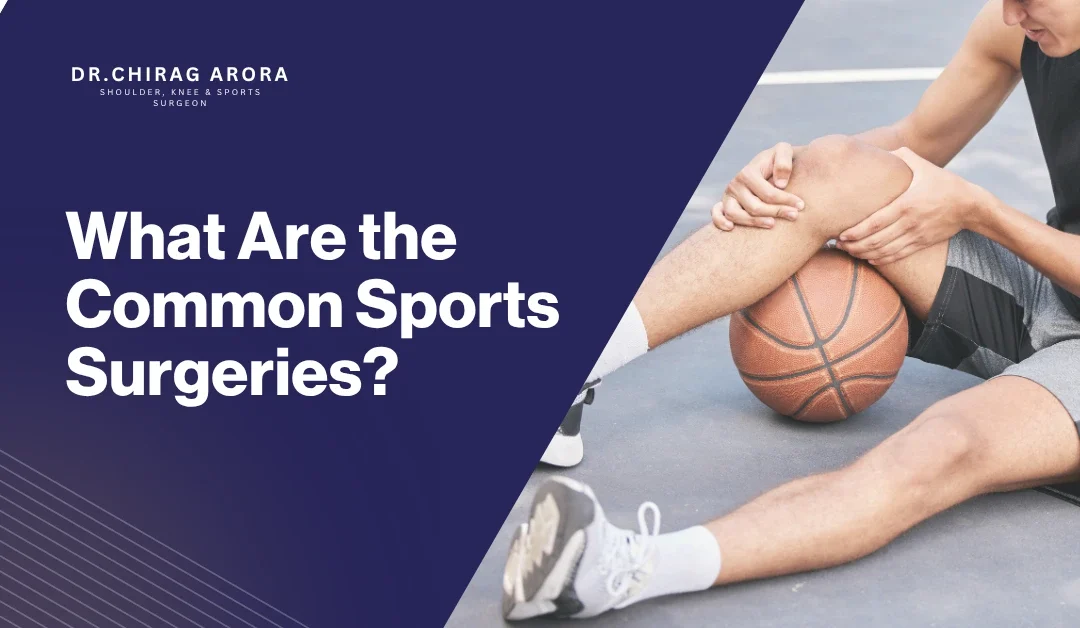
Common injuries include meniscus tears, muscle strains, ACL sprains, patellofemoral pain syndrome, ligament tears and early cartilage damage.
PREVENTION TIPS
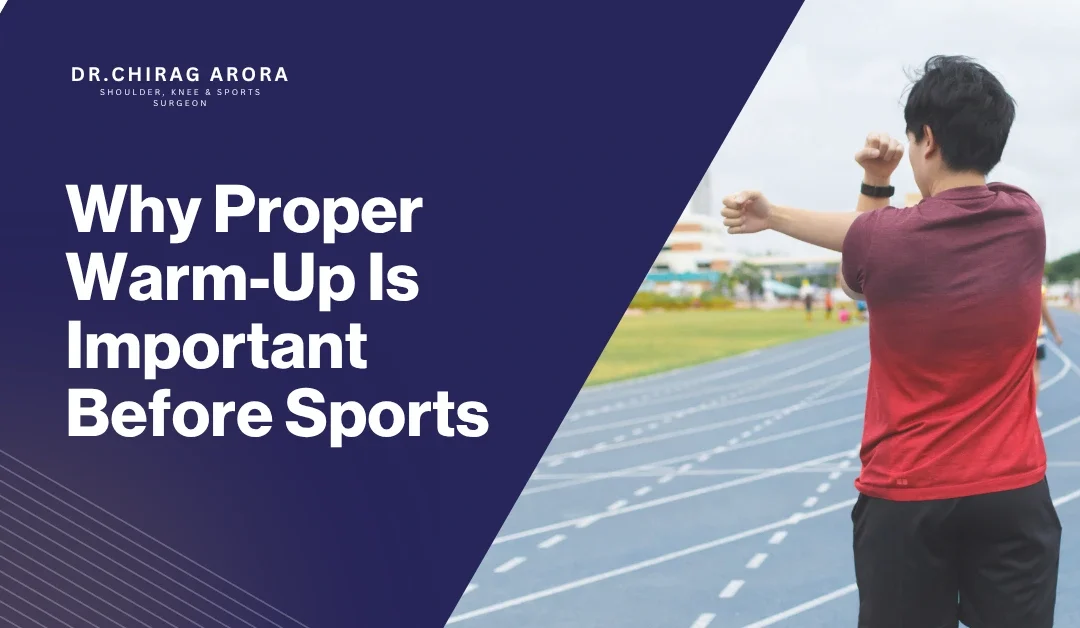
1. Importance of a Proper Warm-Up
A warm-up is not optional—it is injury prevention.
What a Good Warm-Up Should Include (10–15 minutes)
a. Light Aerobic Activity (5 minutes)
- Brisk walking
- Slow jogging
- Cycling
This increases blood flow and prepares muscles and ligaments for load.
b. Dynamic Stretching (5–7 minutes)
Focus on controlled movements rather than static holds:
- Leg swings (front-to-back and side-to-side)
- Walking lunges
- High knees
- Hip openers
c. Muscle Activation (3–5 minutes)
- Quadriceps sets
- Glute bridges
- Mini squats
- Resistance band walks
Why it matters:
A proper warm-up improves neuromuscular control, joint stability, and reaction time—key factors in preventing ACL and meniscal injuries.
2. Common Training Errors That Lead to Knee Injuries
a. Sudden Increase in Intensity or Duration
Playing an intense match after weeks of inactivity is a common trigger for ligament and cartilage injuries.
Rule of thumb:
Increase intensity or duration by no more than 10% per week.
b. Poor Technique
- Incorrect landing after jumps
- Twisting movements with a planted foot
- Improper squatting or running form
These place excessive shear forces on the knee, particularly the ACL and meniscus.
c. Muscle Imbalance
Weak quadriceps, hamstrings, or hip abductors increase stress on the knee joint.
Key muscles to strengthen:
- Quadriceps
- Hamstrings
- Gluteal muscles
- Core muscles
d. Inadequate Footwear
Worn-out or inappropriate shoes can alter biomechanics and increase knee load, especially in runners and court-sport players.
e. Skipping Recovery
Lack of rest, hydration, and sleep delays tissue recovery and increases injury risk.
3. RED FLAG SYMPTOMS YOU SHOULD NOT IGNORE
Continuing to play despite warning signs often converts a minor injury into a surgical problem.
Seek medical evaluation if you experience:
- Persistent knee pain lasting more than 3–5 days
- Swelling during or after activity
- Knee locking or catching, suggesting meniscus injury
- Instability or giving way, often linked to ligament injury
- Inability to fully bend or straighten the knee
- Pain with twisting movements
Early assessment can prevent long-term damage and prolonged downtime.
4. Practical Injury-Prevention Tips for Weekend Athletes
- Maintain year-round basic fitness, even on weekdays
- Warm up before and cool down after every session
- Strength train 2–3 times per week focusing on lower limb and core
- Learn correct technique from a coach or physiotherapist
- Use appropriate sport-specific footwear
- Do not “play through pain”
TAKE-HOME MESSAGE
Most knee injuries in weekend athletes are preventable. A structured warm-up, avoidance of common training errors, and early recognition of red-flag symptoms can significantly reduce injury risk. When knee pain persists or affects performance, timely evaluation by an orthopaedic/Sports specialist can prevent progression to serious ligament or cartilage damage.
Experiencing knee pain, swelling, or instability after weekend sports?
Consult Dr. Chirag Arora, best orthopedic doctor in Gurgaon, for expert knee injury prevention, sports injury care, and advanced orthopedic treatment.
by Dr. Chirag Arora | Jun 17, 2025 | Health
COMMON CAUSES OF SHOULDER PAIN IN INDIVIDUALS ABOVE 40
As we age, our bodies undergo various changes, and one of the most common complaints among individuals over 40 is shoulder pain. Whether you’re a weekend golfer, an active player, an office worker, or simply someone who enjoys gardening, shoulder discomfort can significantly affect your quality of life.
Shoulder pain in this age group can be a result of wear and tear (medically known as degeneration) or an injury (old or new) catching up. Understanding the root causes can help in early diagnosis, effective treatment, and, most importantly, prevention.
Here are some of the most common causes of shoulder pain in individuals over 40
1. Rotator Cuff Tears
The rotator cuff is a group of muscles and tendons that stabilize the shoulder joint. Over time, these tendons can become inflamed (tendinitis) or even tear, especially with repetitive overhead movements or heavy lifting. There may also be a component of age related degeneration (referred to as tendinosis).
Symptoms:
- Dull ache deep in the shoulder
- Difficulty sleeping on the affected side
- Weakness when lifting or rotating the arm
This condition involves stiffness and pain in the shoulder joint, often developing gradually and worsening over time. It’s more common in people over 40, especially women and those with diabetes or thyroid disorders.
Symptoms:
- Limited range of motion
- Persistent shoulder stiffness
- Pain that worsens at night
Risk factors
- Diabetes
- Kidney diseases
- Previous shoulder injuries
Arthritis is a common age-related condition where the cartilage cushioning the bones wears down. In the shoulder, this can lead to painful movement and reduced mobility. Osteoarthritis of shoulder is much less common than knees, and the treatment is significantly different.
Symptoms:
- Grinding or clicking sensation
- Pain during activity or rest
- Stiffness and reduced range of motion
4. Impingement Syndrome
This occurs when the shoulder blade rubs against the rotator cuff tendons. It can cause inflammation and pain, especially when lifting the arm overhead.
Symptoms:
- Pain during arm elevation
- Weakness in the shoulder
- A feeling of “catching” in the joint
Risk factors
- Overhead athletes
- Weight lifters
- Individuals engaged in overhead activity as part of their
- Genetic predisposition
Calcium deposits can form in the tendons of the rotator cuff, leading to intensepain and inflammation. The exact cause isn’t always clear but is more common in middle-aged adults.
Symptoms:
- Sudden or severe pain
- Limited shoulder movement
- Tenderness around the joint
6. Referred Pain
Sometimes, shoulder pain isn’t due to a problem in the shoulder itself but is “referred” from another area, such as the neck or upper spine.
Symptoms:
- Pain that changes with neck movement
- Numbness or tingling in the arm or hand
- Pain not worsened by shoulder movement
Prevention and Management Tips:
- Stay Active: Regular stretching and strengthening exercises can keep shoulder muscles flexible and strong.
- Warm-Up Properly: Before engaging in physical activity, especially if it’s repetitive or overhead.
- Maintain Good Posture: Poor posture can strain the shoulder muscles and lead to pain.
- Listen to Your Body: Don’t ignore persistent discomfort—early intervention can prevent long-term damage.
- Seek Professional Help: If shoulder pain lasts more than a few weeks, worsens, or limits movement, consult a healthcare provider.
Treatment options:
- Conservative treatment : Medications with Physical therapy works in majority of cases, coupled with reduction in intensity of activities
- Injection therapy: some may require a steroid injection or platet rich plasma (PRP) therapy, mostly as a single shot.
- Arthroscopic/key hole surgery: Some individuals who do not improve with therapy/injections and medications may require The procedure offers consistent, reliable resolution with no limitation on sports in the long run.
Final Thoughts
Shoulder pain in individuals over 40 is common but not inevitable. With awareness, prevention, and timely treatment, you can maintain shoulder health and keep enjoying the activities you love. Whether it’s rotator cuff issues or simple strain, understanding the cause is the first step toward relief.
CONSULT A SHOULDER SPECIALIST FOR AN ACCURATE TREATMENT PLAN AND CARE.
by Dr. Chirag Arora | Apr 17, 2025 | Health
Being active and playing sports is great, but sports injuries can stop anyone, from casual players to serious athletes. As an Orthopaedic surgeon who treats these injuries often, I know how much they can affect your goals and health. Prevention is always better than care, instead of getting hurt. Luckily, taking smart steps based on medical knowledge can lower your chances of getting hurt. This blog offers simple, proven tips to help you stay active, reach your fitness goals, and most importantly, avoid injuries.
Common Sports Injuries
Some of the common sports injuries could be:
- Sprains & Strains – A sprain happens when the tough bands around your joints (ligaments) get stretched too far or even tear. This usually occurs when you suddenly twist, fall, or get hit in a way that bends your joint too much. Possible symptoms could be immediate, often sharp pain, along with swelling, bruising, tenderness, and difficulty in moving or bearing weight, with severity ranging from a mild stretch to a complete ligament tear. Strains are injuries where muscles or the tendons connecting them to bones get stretched or torn, usually from overstretching, sudden strong muscle contraction, or doing the same movement too many times.
- Joint Injuries – Joint injuries, particularly in the knee, are common in sports because the knee is a complicated joint that handles a lot of force and twisting. These injuries often involve the strong bands called ligaments (like the ACL, MCL, PCL, and LCL), which can tear from sudden stops, turns, or hits. This causes pain, swelling, makes the knee feel wobbly, and makes it hard to move. Another common knee problem is a tear in the cartilage cushions called menisci, which can happen from twisting or getting hit. This can lead to pain, swelling, a clicking feeling, and sometimes the knee can even get stuck.
- Muscle Injuries– Muscle injuries extend beyond strains to include contusions (bruises), which result from direct impacts to a muscle, damaging tissue and blood vessels and leading to localized pain, swelling, and the visible discoloration of a bruise. More significant are severe muscle tears, which occur due to sudden, powerful contractions or extreme overstretching. These injuries are characterized by sharp, immediate pain, a noticeable loss of strength in the muscle, and sometimes a physical gap or indentation that can be felt within the muscle tissue.
- Dislocations– Dislocations occur when bones in a joint are forced out of their normal alignment due to significant impact or falls, causing intense pain, visible deformity, immobility, and often requiring medical intervention to realign the joint.
- Fractures – A fracture is a break or crack in a bone. In sports, these injuries can occur acutely from a forceful impact, resulting in immediate pain, swelling, and difficulty using the affected area. Alternatively, fractures can develop gradually due to repetitive stress on a bone, known as stress fractures, which cause pain that worsens over time.
Tips to Prevent Sports Injuries
- Always Warm-Up Properly: Before you start any sport or exercise, take some time to get your body ready. This means doing light movements and stretches that get your blood flowing and your muscles warm.
- Use Good Technique: Learning the right way to do things in your sport is very important. Whether it’s how you throw a ball, run, or lift weights, using the correct form makes sure you’re using your body efficiently and not putting too much pressure on one part. A coach or instructor can help you with this.
- Increase Slowly: Don’t try to go from doing nothing to playing intensely every day. Your body needs time to get stronger and adjust to new activities. Gradually increase how often you play, how long you play, and how hard you push yourself. This helps prevent overuse injuries.
- Wear the Right Protective Gear: Depending on your sport, this could include helmets, pads, braces, and supportive shoes. These things are designed to absorb impact and protect vulnerable parts of your body from injury. Make sure your gear fits well and is in good condition.
- Stay Well Hydrated and Eat a Balanced Diet: Your muscles and bones need water and nutrients to function properly and recover. Being dehydrated or not eating well can make you more prone to fatigue and injury. Think of it as giving your body the right fuel to perform and repair itself.
- Listen Carefully to Your Body: Pain is your body’s way of telling you something isn’t right. Don’t ignore aches and pains, especially if they’re sharp or persistent. Pushing through pain can make a small problem much worse. Rest when you need to.
- Get Enough Rest and Recovery: Your body needs time to repair and rebuild after exercise. Make sure you’re getting enough sleep and incorporating rest days into your training schedule. This prevents overtraining, which can weaken your body and make you more susceptible to injuries.
- Don’t Hesitate to Seek Professional Advice: If you have recurring pain, are starting a new sport, or want personalized advice on preventing injuries, you can consult Dr. Chirag Arora, Sports Injury surgeon in Gurgaon for expert advice.
Conclusion
Enhancing an active lifestyle and participating in sports offers significant benefits. However, sports injuries can unfortunately interrupt these pursuits. By understanding common injuries and consistently applying preventative measures like proper warm-up, good technique, gradual progression, using protective gear, staying hydrated, listening to your body, and prioritizing rest, you can substantially reduce your risk of being sidelined. Taking these proactive steps is key to enjoying your favorite activities safely and maintaining a healthy, active life for years to come.