Understanding Knee Aging & Preventing Knee Pain

Understanding Knee Aging & Preventing Knee Pain

 UNDERSTANDING KNEE AGING & PREVENTING KNEE PAIN

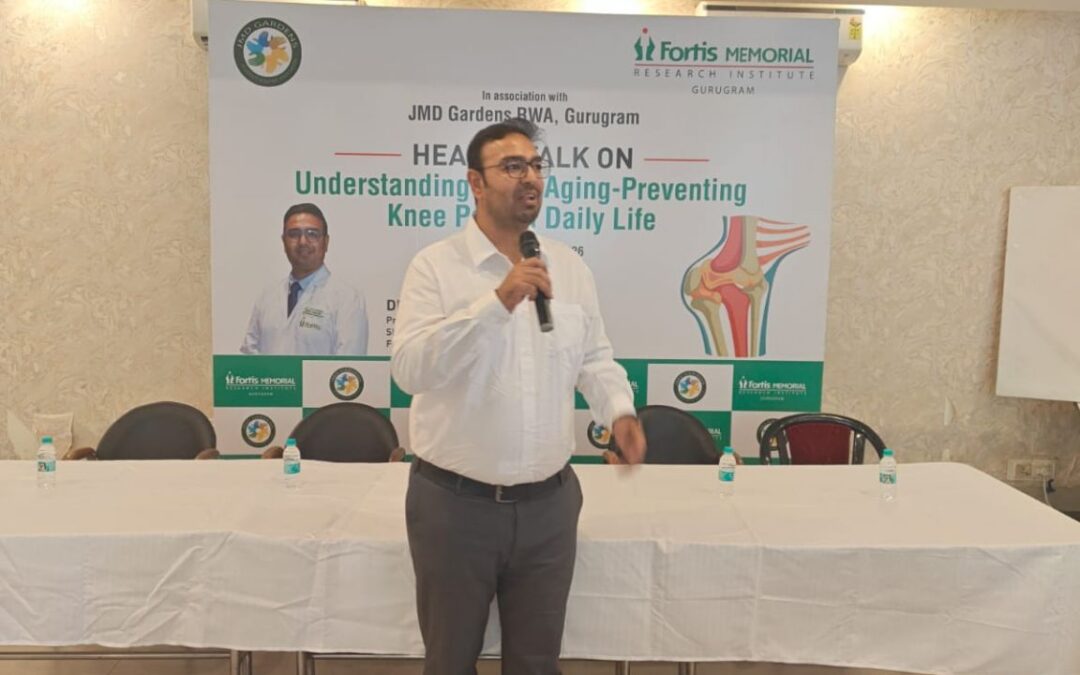
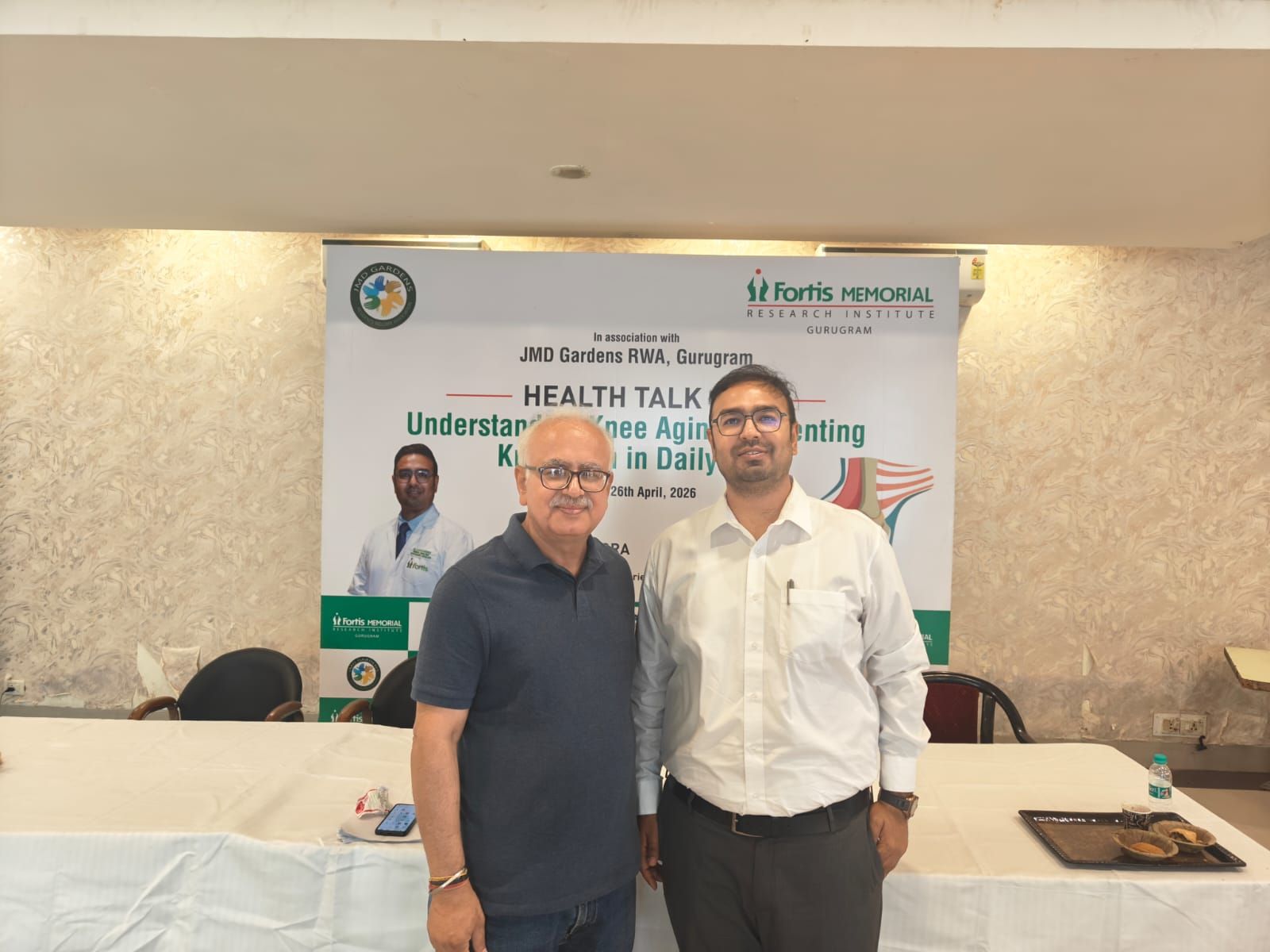
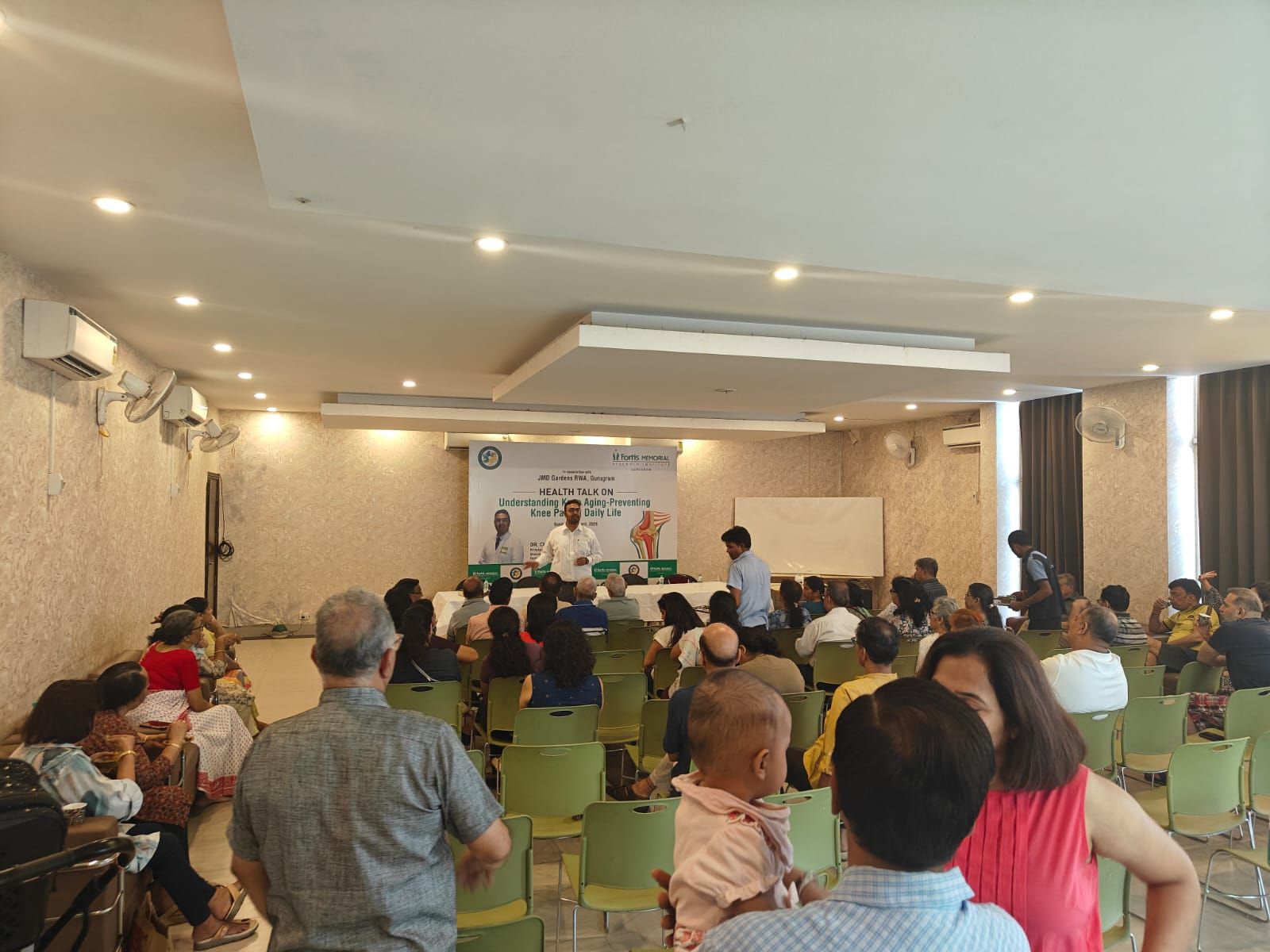
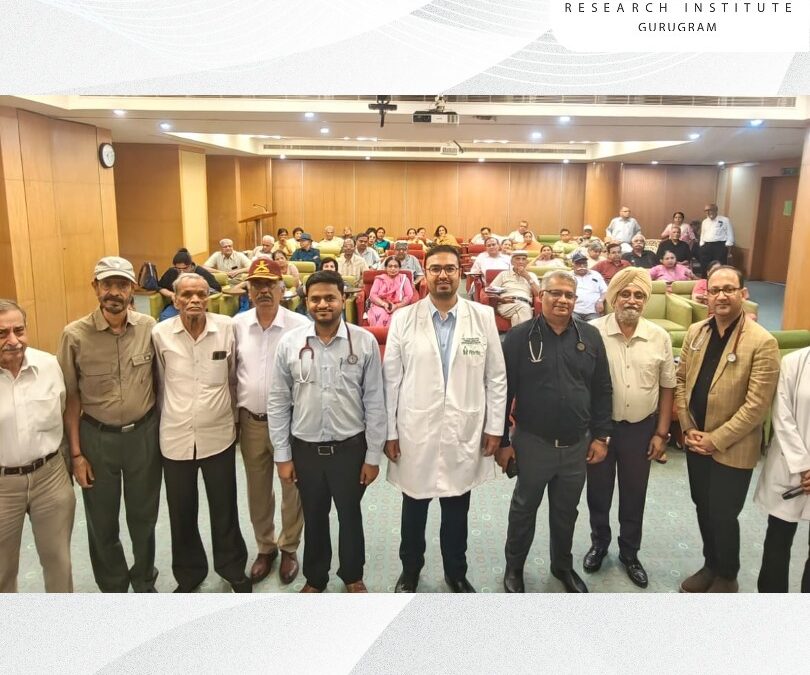
As part of a community awareness initiative, Dr. Chirag had the opportunity to deliver an interactive health talk at JMD Gardens RWA, Gurugram, on the topic “Understanding Knee Aging & Preventing Knee Pain in Daily Life.” The session brought together residents from various age groups who were keen to learn about maintaining healthy joints, preventing knee problems, and preserving mobility as they age.

Understanding the Aging Knee

    Knee pain is one of the most common musculoskeletal complaints among adults, particularly with advancing age. During the session, Dr. Chirag explained the natural changes that occur within the knee joint over time, including cartilage wear, reduced joint flexibility, muscle weakness, and the gradual development of osteoarthritis. These changes can impact daily activities such as walking, climbing stairs, sitting, and standing, often affecting overall quality of life.

    Using simple and practical explanations, he helped participants understand the difference between normal age-related changes and symptoms that may indicate an underlying knee condition requiring medical attention.

    Preventing Knee Pain in Everyday Life

    A major focus of the discussion was on preventive strategies that can help individuals maintain healthy knees and reduce the risk of pain and injury. Participants learned about the importance of regular physical activity, maintaining a healthy body weight, strengthening the muscles around the knee, and practicing proper movement techniques during daily activities.

    Dr. Chirag also highlighted the role of flexibility exercises, posture correction, appropriate footwear, and avoiding repetitive strain on the joints. Small lifestyle modifications, when adopted consistently, can significantly reduce stress on the knees and help preserve long-term joint function.

    Many people tend to ignore knee discomfort until it begins to interfere with their daily routine. During the session, emphasis was placed on recognizing early warning signs such as persistent pain, swelling, stiffness, difficulty walking, or reduced range of motion. Seeking timely medical evaluation can often help identify problems at an early stage and prevent further joint damage.

    Participants were encouraged to view orthopedic care not only as a treatment option but also as an important component of preventive healthcare.

    Encouraging Active and Independent Living

    The session concluded with an engaging discussion where residents shared their concerns, experiences, and questions regarding knee health. The enthusiastic participation reflected a growing awareness of the importance of preventive orthopedic care within the community.

    Through initiatives like these, Dr. Chirag continues to promote awareness about healthy aging, empowering individuals to take proactive steps toward maintaining mobility, independence, and a better quality of life. With the right knowledge, timely intervention, and healthy lifestyle choices, knee pain does not have to be an inevitable part of aging.

    Dr. Chirag Arora, orthopedic doctor in Gurgaon, dr chirag arora, arthroscopy vs open surgery, arthroscopy surgery, open surgery for joints, sports injury treatment Gurgaon, ACL tear treatment, meniscus tear surgery, knee arthroscopy, shoulder arthroscopy, ligament injury treatment, orthopedic specialist Gurgaon, minimally invasive orthopedic surgery, joint pain treatment Gurgaon, sports medicine doctor Gurgaon, cartilage repair surgery, knee injury specialist, shoulder injury treatment, best orthopedic doctor in Gurgaon
    Dr. Chirag Arora, orthopedic doctor in Gurgaon, dr chirag arora, arthroscopy vs open surgery, arthroscopy surgery, open surgery for joints, sports injury treatment Gurgaon, ACL tear treatment, meniscus tear surgery, knee arthroscopy, shoulder arthroscopy, ligament injury treatment, orthopedic specialist Gurgaon, minimally invasive orthopedic surgery, joint pain treatment Gurgaon, sports medicine doctor Gurgaon, cartilage repair surgery, knee injury specialist, shoulder injury treatment, best orthopedic doctor in Gurgaon
    Sports Injury Prevention at the Workplace

    Sports Injury Prevention at the Workplace

     SPORTS INJURY PREVENTION AT THE WORKPLACE

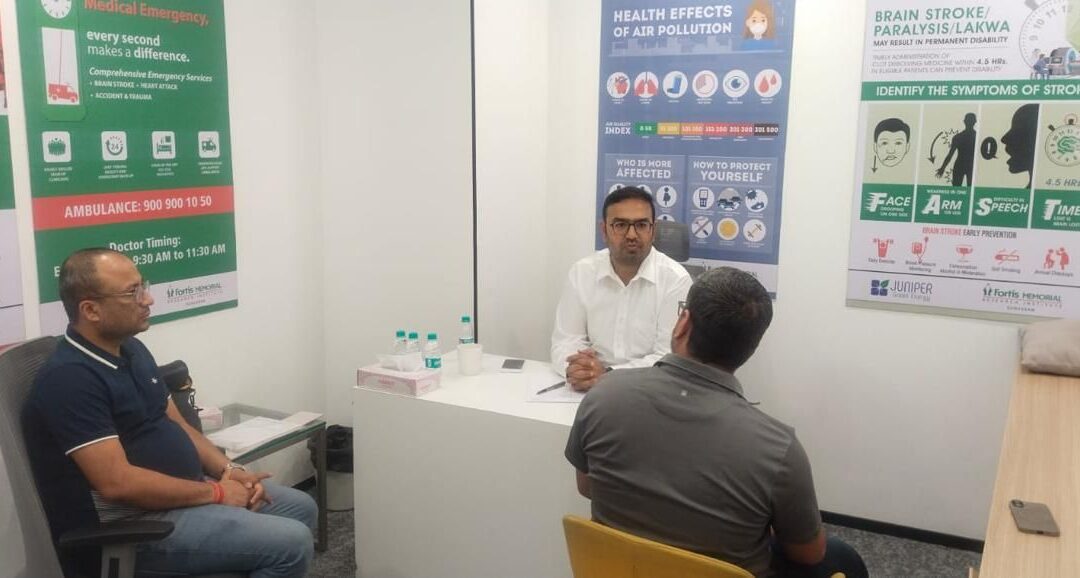
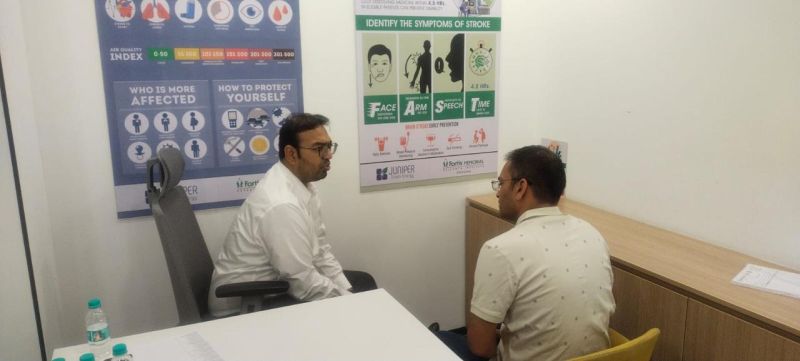
    As part of an employee wellness initiative at Juniper Green Energy, Dr. Chirag conducted an interactive session on sports injury prevention, focusing on practical strategies to help individuals stay active, healthy, and injury-free. The session was designed for employees who regularly participate in sports, fitness activities, or recreational exercise and aimed to create greater awareness about injury prevention and long-term musculoskeletal .

    Understanding Common

      Sports and fitness activities offer numerous physical and mental health benefits; however, improper training techniques, inadequate recovery, poor mobility, and overuse can increase the risk of injury. During the session, Dr. Chirag discussed some of the most common sports-related injuries, including ligament , muscle strains, tendon injuries, shoulder problems, knee pain, and overuse injuries.

      Participants learned how seemingly minor symptoms such as persistent soreness, stiffness, swelling, or reduced performance can often be early warning signs of an underlying issue. Recognizing these symptoms early can help prevent more serious injuries and reduce recovery time.

      The Importance of Prevention and Recovery

      A key focus of the discussion was the role of preventive measures in maintaining peak performance. Dr. Chirag highlighted the importance of proper routines, strength training, flexibility exercises, and sport-specific conditioning. He emphasized that injury prevention is not limited to athletes alone but is equally important for anyone engaging in regular physical activity.

      The session also addressed the importance of structured recovery. Participants gained insights into how adequate rest, proper nutrition, hydration, sleep, and progressive return-to-activity programs contribute significantly to injury prevention and overall performance enhancement.

      Beyond injury prevention, the discussion encouraged employees to adopt sustainable fitness practices that can be maintained over the long term. Dr. Chirag stressed the importance of consistency over intensity, proper technique over excessive training, and listening to the body’s signals rather than pushing through pain.

      The interactive nature of the session allowed participants to discuss individual concerns, training challenges, and recurring injuries, creating an engaging learning environment. Practical recommendations were provided to help employees make informed decisions about their fitness routines and physical well-being.

      Empowering Individuals Through Awareness

      The session concluded with an important message: most sports injuries are preventable when individuals combine awareness, proper training, and timely medical guidance. By educating employees on injury prevention, early identification of warning signs, and evidence-based recovery strategies, the initiative reinforced the value of proactive healthcare and physical wellness.

      With the right approach to fitness and recovery, individuals can continue to enjoy an active lifestyle, improve performance, and reduce the risk of injuries that may otherwise impact their health and productivity.

      Dr. Chirag Arora, orthopedic doctor in Gurgaon, dr chirag arora, arthroscopy vs open surgery, arthroscopy surgery, open surgery for joints, sports injury treatment Gurgaon, ACL tear treatment, meniscus tear surgery, knee arthroscopy, shoulder arthroscopy, ligament injury treatment, orthopedic specialist Gurgaon, minimally invasive orthopedic surgery, joint pain treatment Gurgaon, sports medicine doctor Gurgaon, cartilage repair surgery, knee injury specialist, shoulder injury treatment, best orthopedic doctor in Gurgaon
      Educating Seniors on Common Shoulder Problems

      Educating Seniors on Common Shoulder Problems

       EDUCATING SENIORS ON COMMON SHOULDER PROBLEMS

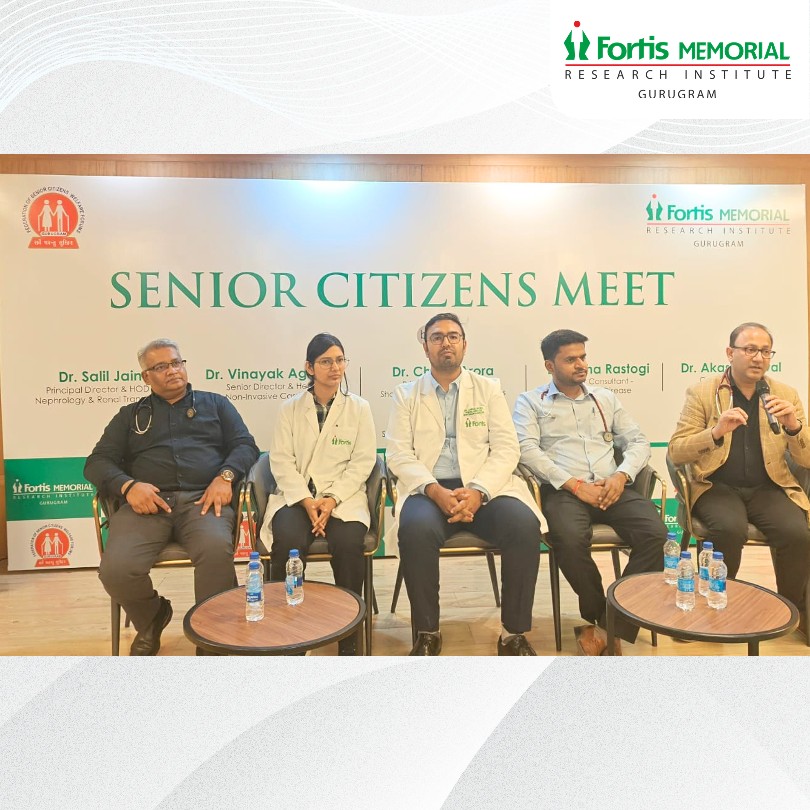
      As part of a Senior Citizens Wellness Meet organized by Fortis Memorial Research Institute (FMRI), Gurugram, in association with a local senior citizens’ group, Dr. Chirag and the orthopedic team conducted an informative and interactive session focused on shoulder in the elderly. The event brought together a large number of senior citizens who were eager to learn more about maintaining mobility, independence, and overall musculoskeletal well-being as they age.

      Shoulder pain is one of the most common complaints among older adults, yet it is often overlooked or accepted as an inevitable consequence of growing older. During the session, Dr. Chirag discussed several frequently encountered shoulder conditions, including rotator cuff tears, frozen shoulder, shoulder arthritis, tendonitis, and age-related degenerative changes. Using simple explanations and real-life examples, he helped participants understand the causes, symptoms, and treatment options for these conditions.

      Addressing Common Myths and Misconceptions

        One of the key highlights of the session was addressing the many myths surrounding shoulder pain. Many attendees believed that pain and stiffness are a natural part of aging and must simply be tolerated. Others assumed that surgery is the only option for chronic shoulder conditions.

        Dr. Chirag clarified that while age-related changes may increase the likelihood of shoulder disorders, persistent pain should never be ignored. He explained that many shoulder conditions can be effectively treated without surgery, especially when diagnosed early. Through evidence-based guidance, he helped dispel confusion and encouraged seniors to take a proactive approach toward their musculoskeletal health.

         Importance of Prevention and Early Intervention

        The discussion also focused on the importance of preventive care. Participants were educated about maintaining shoulder strength and flexibility through regular exercise, proper posture, and an active lifestyle. The role of physiotherapy, guided rehabilitation, and lifestyle modifications in managing shoulder conditions was highlighted, along with the benefits of seeking medical attention before symptoms become severe.

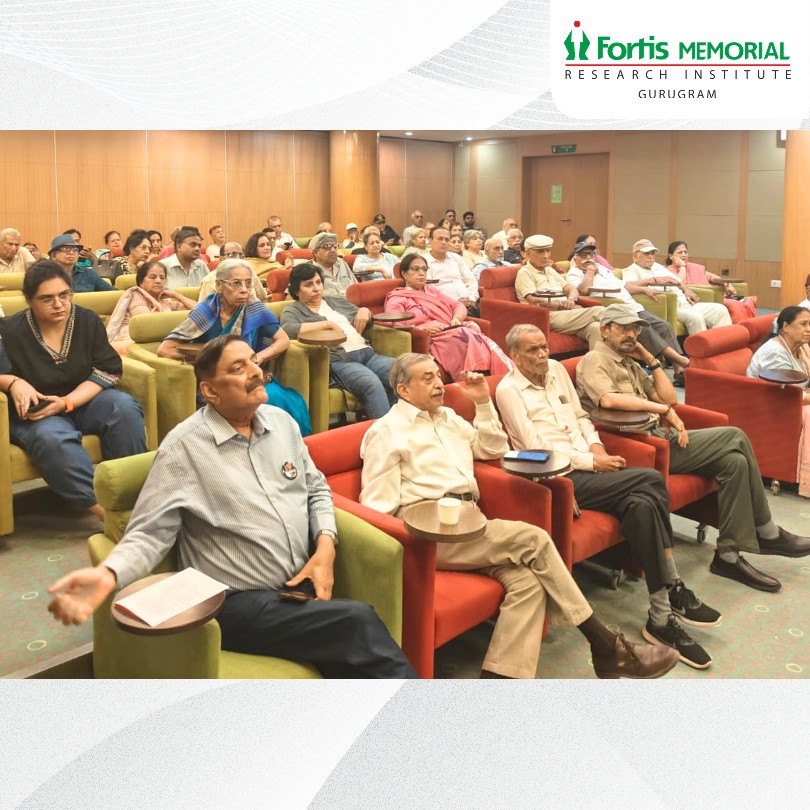
        What made the session particularly meaningful was the enthusiastic participation from the audience. Seniors openly shared their experiences, concerns, and questions, leading to a lively and engaging exchange of ideas. This interactive approach not only helped dispel confusion but also empowered attendees to make informed decisions about their health.

        The session served as a reminder that healthy aging is closely linked to awareness and preventive healthcare. By educating senior citizens about common shoulder problems and available treatment options, Dr. Chirag and the Fortis team reinforced the message that growing older does not mean living with pain. With the right knowledge, timely care, and proactive lifestyle choices, seniors can continue to lead active, independent, and fulfilling lives.

        Dr. Chirag Arora, orthopedic doctor in Gurgaon, dr chirag arora, arthroscopy vs open surgery, arthroscopy surgery, open surgery for joints, sports injury treatment Gurgaon, ACL tear treatment, meniscus tear surgery, knee arthroscopy, shoulder arthroscopy, ligament injury treatment, orthopedic specialist Gurgaon, minimally invasive orthopedic surgery, joint pain treatment Gurgaon, sports medicine doctor Gurgaon, cartilage repair surgery, knee injury specialist, shoulder injury treatment, best orthopedic doctor in Gurgaon
        Dr. Chirag Arora, orthopedic doctor in Gurgaon, dr chirag arora, arthroscopy vs open surgery, arthroscopy surgery, open surgery for joints, sports injury treatment Gurgaon, ACL tear treatment, meniscus tear surgery, knee arthroscopy, shoulder arthroscopy, ligament injury treatment, orthopedic specialist Gurgaon, minimally invasive orthopedic surgery, joint pain treatment Gurgaon, sports medicine doctor Gurgaon, cartilage repair surgery, knee injury specialist, shoulder injury treatment, best orthopedic doctor in Gurgaon
        Arthroscopy Vs Open Surgery: Which is Better for You?

        Arthroscopy Vs Open Surgery: Which is Better for You?

        ARTHROSCOPY VS OPEN SURGERY: WHICH IS BETTER FOR YOU?

        When you have a knee, shoulder, ankle or any other joint problem, surgery may be the best way to restore movement and relieve pain. Many people get confused when they hear about two surgical options: arthroscopy and open surgery. People often ask questions like, “Which procedure is safer?”, “Will I recover faster?”, and “Which option will help me get back to my normal life sooner?”

        Dr. Chirag Arora, a well-known , says that both arthroscopy and open surgery have their own advantages. The right choice depends on the nature of the injury, the condition of the joint, and the patient’s individual needs.

        In this blog by , we will explain the differences between arthroscopy and open surgery in simple terms so that you can better understand your treatment options.

        What Is Arthroscopy?

        Arthroscopy is a minimally invasive surgical procedure that allows doctors to look inside a joint and treat the problem without making large cuts.

        During the procedure, a tiny camera called an arthroscope is inserted through a small incision. The camera sends images to a screen, helping the surgeon clearly view the inside of the joint. Special instruments are then used through other small incisions to repair the damage.

        Arthroscopy is commonly used for:

        Because it requires only small incisions, arthroscopy has become a preferred treatment option for many orthopedic conditions.

        What Is Open Surgery?

          Open surgery is the traditional surgical approach where the makes a larger incision to directly access the affected area.

          This method provides a wider view of the joint, bone, or surrounding tissues, making it useful for treating more complex problems.

          Open surgery is often recommended for:

          • Complex
          • Advanced arthritis
          • Severe tendon injuries
          • Joint replacement procedures
          • Bone deformities
          • Major ligament reconstructions

          As an experienced bone doctor in Gurgaon, Dr. Chirag Arora carefully evaluates each case before deciding whether open surgery is necessary.

          Arthroscopy Vs Open Surgery: The Main Differences

          Although both procedures aim to treat orthopedic conditions effectively, there are some important differences.

          One of the biggest differences is the size of the surgical cut. In arthroscopy, the incisions are very small, often less than a centimeter. In open surgery, a larger incision is needed to expose the affected area. Smaller incisions generally mean less scarring and faster healing. Arthroscopy causes less disturbance to muscles, ligaments, and surrounding tissues. Open surgery may require moving or cutting through tissues to reach the affected joint, which can increase healing time.

          Most patients recover faster after arthroscopy because the procedure is less invasive. With open surgery, recovery may take longer due to the larger incision and greater tissue involvement.

          Patients who undergo arthroscopy often report less pain after the procedure. Open surgery can involve more discomfort during the initial recovery period, although pain management techniques help make recovery easier.

          Many arthroscopic procedures are performed as day-care surgeries, allowing patients to return home the same day. Open surgeries may require a longer hospital stay depending on the complexity of the procedure.

          Why Many Patients Prefer Arthroscopy

          Over the last few decades, arthroscopy has transformed orthopedic care. Some of the major benefits include:

          • Faster return to daily activities
          • Less scarring
          • Reduced risk of infection
          • Better comfort during recovery

          According to Dr. Chirag Arora, arthroscopy doctor in Gurgaon, arthroscopy is particularly useful for athletes and active individuals who want to return to sports and daily activities as quickly as possible.

          When Open Surgery Is the Better Choice

          Despite the popularity of arthroscopy, open surgery remains an important and highly effective treatment option.

          There are situations where a surgeon needs direct access to the joint or bone to perform a successful repair.

          Open surgery may be the better choice when:

          • A fracture is severe or complicated
          • Arthritis has significantly damaged the joint
          • Joint replacement is required
          • Large tendon tears need extensive repair
          • Bone deformities must be corrected

          In such cases, open surgery often provides the best long-term outcome.

          Which Procedure Has Better Results?

          Many patients assume that arthroscopy is always better because it is less invasive. However, that is not necessarily true.

          The success of a surgery depends on choosing the right procedure for the right condition.

          For example:

          • An can often be treated effectively with arthroscopy.
          • A knee replacement requires open surgery.
          • A simple may benefit from arthroscopic repair.
          • A complex fracture may require open surgical fixation.

          This is why consultation with an experienced specialist such as Dr. Chirag Arora, a trusted orthopedic doctor in Gurgaon, is essential.

            Recovery: What Can You Expect?

            Recovery After Arthroscopy

            Most patients experience:

            • Smaller wounds
            • Less swelling
            • Earlier physiotherapy
            • Faster return to work
            • Quicker return to sports

            Depending on the procedure, recovery may take a few weeks to a few months.

            Recovery After Open Surgery

            Recovery is usually longer and may include:

            • Extended rehabilitation
            • More intensive physiotherapy
            • Temporary movement restrictions
            • Longer healing time

            However, for many complex conditions, the long-term benefits make the recovery worthwhile.

              How Does Your Surgeon Decide?

              Choosing between arthroscopy and open surgery is not based on a single factor. Your surgeon will consider:

              • Your age
              • Activity level
              • Severity of injury
              • Overall
              • Imaging results
              • Expected recovery goals
              • Long-term joint function

              A personalized treatment plan ensures that you receive the most appropriate care for your condition.

              Conclusion

              Both arthroscopy and open surgery play an important role in modern orthopedic treatment. Arthroscopy offers smaller incisions, less pain, and faster recovery, making it an excellent option for many . Open surgery, on the other hand, remains the best option for treating complex orthopedic problems, severe fractures, and joint replacements.

              Rather than asking which procedure is better, the more important question is which procedure is best for your specific condition. A proper evaluation by Dr. Chirag Arora, orthopedic surgeon in Gurgaon, can help determine the most effective treatment plan and ensure the best possible outcome for your recovery.

              Frequently Asked Questions

              Q1. Is arthroscopy always better than open surgery?

              No. Arthroscopy is less invasive, but some conditions require open surgery for better results.

              Q2. Which surgery has a faster recovery?

              Arthroscopy generally offers a quicker recovery because it involves smaller incisions and less tissue damage.

              Yes. Many sports injuries, including ACL tears and meniscus injuries, are commonly treated through arthroscopy.

              Q4. Is arthroscopy painful?

              Most patients experience mild discomfort after arthroscopy, which is usually less than that associated with open surgery.

              Q5. Why would someone need open surgery?

              Open surgery may be necessary for severe fractures, joint replacements, advanced arthritis, and complex orthopedic conditions.

              Q6. How long will I stay in the hospital after the arthroscopy?

              Many arthroscopic procedures are performed as day-care surgeries, allowing patients to go home the same day.

              Q7.Does arthroscopy leave scars?

              Yes, but the scars are usually very small and less noticeable compared to open surgery.

              Q8. Can arthroscopy and open surgery both be successful?

              Absolutely. Both procedures have high success rates when performed for the appropriate condition.

              Q9. Why consult Dr. Chirag Arora for orthopedic treatment?

              Dr. Chirag Arora is a skilled orthopedic doctor in Gurgaon with expertise in arthroscopy, sports injury management, joint preservation, and advanced orthopedic care.

              Q10. How do I book an appointment with Dr. Chirag Arora?

              You can book an appointment with Dr. Chirag Arora, orthopedic doctor in Gurgaon, at Nirvana Clinic or at Fortis Hospital.
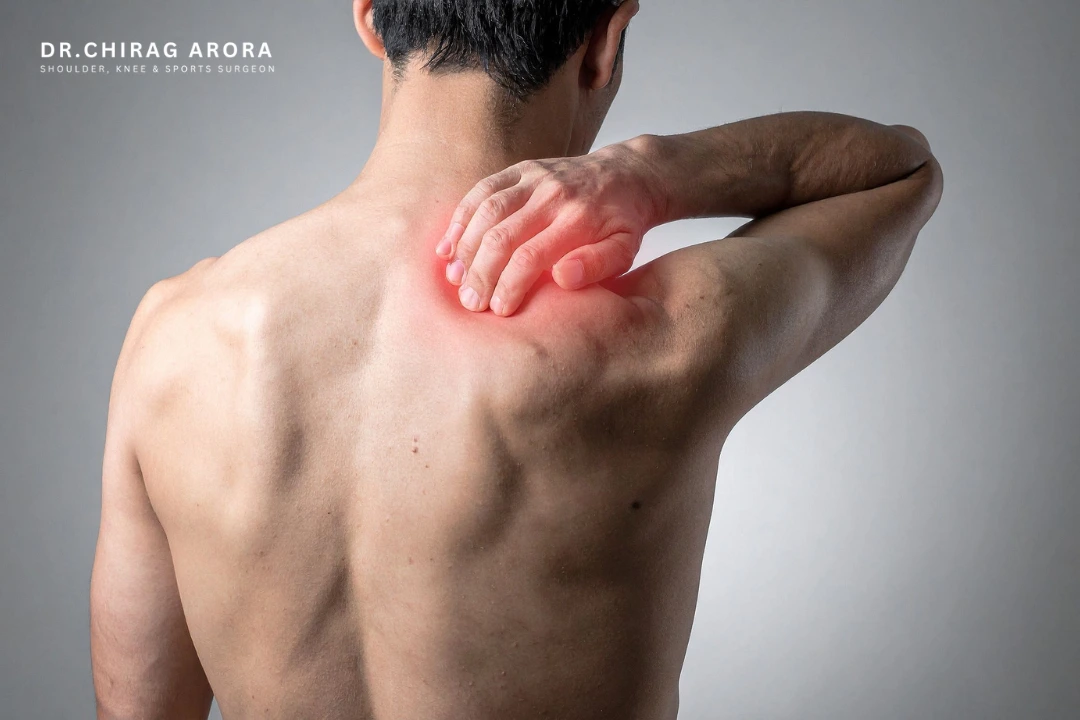
              Dr. Chirag Arora, orthopedic doctor in Gurgaon, dr chirag arora, arthroscopy vs open surgery, arthroscopy surgery, open surgery for joints, sports injury treatment Gurgaon, ACL tear treatment, meniscus tear surgery, knee arthroscopy, shoulder arthroscopy, ligament injury treatment, orthopedic specialist Gurgaon, minimally invasive orthopedic surgery, joint pain treatment Gurgaon, sports medicine doctor Gurgaon, cartilage repair surgery, knee injury specialist, shoulder injury treatment, best orthopedic doctor in Gurgaon
              Calcium vs Vitamin D: What Your Bones Really Need

              Calcium vs Vitamin D: What Your Bones Really Need

              CALCIUM VS VITAMIN D: WHAT YOUR BONES REALLY NEED

              When we talk about keeping our bones strong and healthy, we often think about calcium and vitamin D. Most people know these two things are important. They are not really sure what they do or which one is more important. The thing is, we need both calcium and vitamin D to work together. Let’s look at what calcium and vitamin D do for our bones.

              Bones are like living things that are always breaking down and building up. As we get older, especially after we turn 30, our bones start to get weaker. If we do not eat well, do not get sunlight and do not exercise, our bones can get even weaker. This can lead to problems like and something called osteoporosis. Read this blog by Dr. Chirag Arora, , to understand all about bone and joint


              What is Calcium?

              Calcium is a type of mineral that helps build bones and teeth. Almost all of the calcium in our bodies is in our bones. It helps our bones be strong, and it also helps our muscles work, our nerves send signals, and our heart beat.

              Benefits of Eating Calcium:

              • It makes our bones and teeth strong
              • It helps our muscles work
              • It helps our blood clot
              • It helps our heart be healthy

              Calcium-Rich Foods

              • Milk and other dairy products
              • Green vegetables like spinach and kale
              • Almonds
              • Tofu
              • Foods that have extra calcium added to them

              What happens if we do not get enough calcium?

              If we do not get calcium, our bones can get weak, our muscles can cramp, we can get tired, and we might break our bones more easily. If we do not get calcium for a long time, we might get osteoporosis.

                How much calcium does our body need?

                Calcium amount required by our body:

                • Adults who are 19 to 50 years old need 1000 milligrams of calcium per day
                • Women who are over 50 need 1200 milligrams of calcium per day
                • Men who are over 70 need 1200 milligrams of calcium per day

                  What is vitamin D?

                  Vitamin D is sometimes called the sunshine vitamin because our body makes it when we are in the sun. Vitamin D does not make our bones strong by itself. It helps our body use calcium. If we do not get vitamin D, our bodies cannot use the calcium we eat.

                    Benefits of Vitamin D:

                    • It helps our body use calcium
                    • It helps our immune system work
                    • It helps our bones grow and get strong
                    • It helps reduce inflammation

                      We can get vitamin D from these things:

                      • Being in the sun
                      • Eating fatty fish like salmon and tuna
                      • Eating egg yolks
                      • Eating foods that have extra vitamin D added to them
                      • Taking vitamin D supplements

                        Benefits of Vitamin D:

                        • It helps our body use calcium
                        • It helps our immune system work
                        • It helps our bones grow and get strong
                        • It helps reduce inflammation

                          What happens if we do not get vitamin D?

                          If we do not get vitamin D, our bones can hurt, our muscles can get weak, and we might get sick more often. We need both calcium and vitamin D to work together. If we take calcium without vitamin D, it is like trying to build something with bricks but no cement. Our body needs vitamin D to use calcium properly.

                          If we take vitamin D without calcium, it will not help our bones be strong.

                          We need to understand how calcium and vitamin D work together to keep our bones strong.

                            How much Vitamin D our body needs?

                            Vitamind D required by our body:

                            – Adults need 600 to 800 units of vitamin D per day

                            – Older adults need 800 to 1000 units of vitamin D per day

                            These are just general guidelines, and we might need more or less depending on our health and where we live.

                              Which kind of people are more likely to get Vitamin D or Calcium Deficiency?

                              These people are more likely not to get calcium or vitamin D:

                              • Older people
                              • People who do not get outside in the sun much
                              • People who do not eat meat
                              • People who have trouble digesting food
                              • Women who are past menopause

                                Do we need to take supplements for Vitamin D or Calcium?

                                It is best to get calcium and vitamin D from the food we eat and the sun. Sometimes we might need to take supplements. However, if we take too much calcium or vitamin D, it can be bad for us.

                                We should always talk to an expert like , before taking any supplements.

                                  Some tips to help our bones be strong: 

                                  • Get outside in the sun for 15 to 20 minutes per day
                                  • Eat foods that have calcium in them
                                  • Exercise regularly, especially exercises that make our bones strong
                                  • Do not smoke and do not drink much alcohol
                                  • Eat a balanced diet with all the nutrients we need

                                  When we think about calcium and vitamin D, it is not about which one is more important. It is about balance. Calcium helps build our bones, and vitamin D helps our body use calcium.

                                  To have bones, we need both calcium and vitamin D working together. If we ignore one, the other will not work well. We should focus on eating a healthy diet, getting outside in the sun and exercising to keep our bones strong.


                                  Frequently Asked Questions

                                  Q1. Is calcium or vitamin D more important for our bones?

                                  Both are important. Calcium helps build our bones, and vitamin D helps our body use calcium.

                                  Q2. Can we take calcium without vitamin D?

                                  We can. It will not work as well because vitamin D helps our body use calcium.

                                  Q3. What are the early signs of not getting enough calcium?

                                  Our muscles might cramp, we might get tired, our nails might be brittle, and our bones might be weak.

                                  Q4. How do we know if we do not get vitamin D?

                                  Not many fractures can heal with casts or braces. Surgery is needed in complex or severe cases.

                                  Q5. Can being in the sun give us all the vitamin D we need?

                                  Sometimes, but it depends on our skin if we wear sunscreen and where we live.

                                  Q6. Are supplements to take every day?

                                  Yes, only if we take the right amount. If we take too much, it can be bad for us, so we should talk to a doctor first.

                                  Q7. How can you book an appointment with Dr. Chirag Arora?

                                  You can meet Dr. Chirag Arora at Nirvana Specialty Clinics and Fortis Hospital.