


Knee Osteoarthritis: Causes & Early Warning Signs
Knee pain is something most people ignore until it starts affecting daily life. One of the most common reasons behind chronic knee pain is knee osteoarthritis, a condition that slowly damages the joints over time.
If you’ve been experiencing stiffness, discomfort, or reduced movement, understanding the early warning signs and knee pain causes can help you act before the condition worsens.
What is Knee Osteoarthritis?
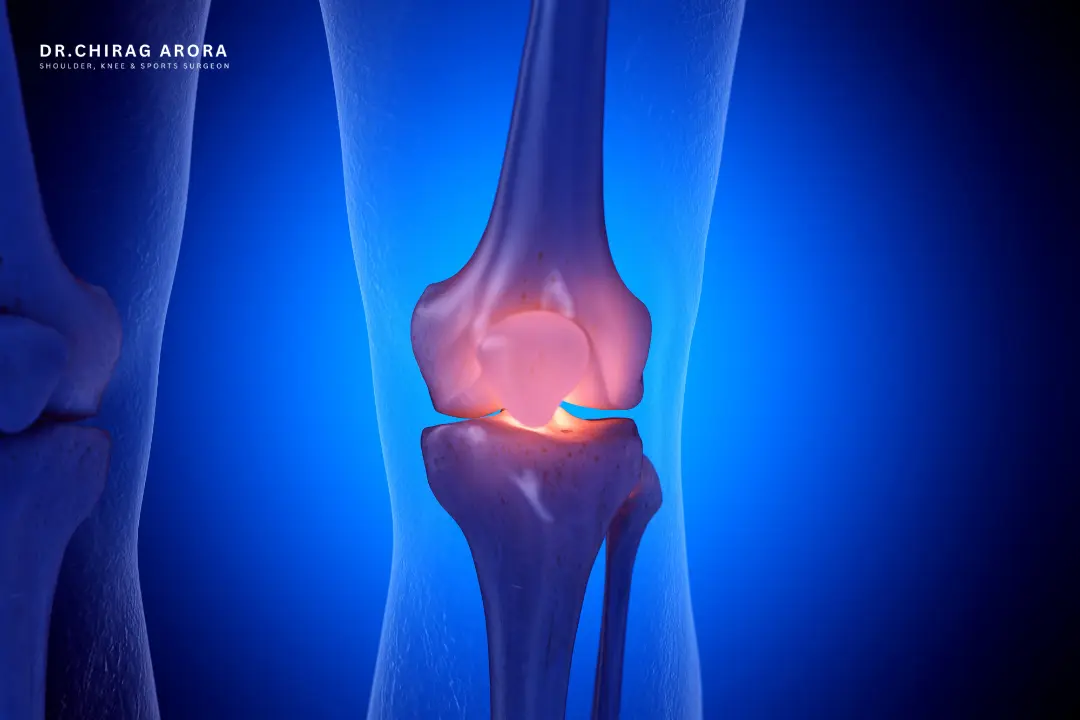
Knee osteoarthritis is a degenerative joint condition where the protective cartilage in your knee gradually wears down. This leads to bones rubbing against each other, causing pain, swelling, and stiffness.
It usually develops over time, but can speed up due to lifestyle, injuries, or age-related wear and tear.
Common Causes of Knee Osteoarthritis
Understanding the knee pain causes is the first step toward prevention and treatment.
1. Age-Related Wear and Tear
As we age, cartilage naturally breaks down, increasing the risk of knee osteoarthritis.
2. Excess Body Weight
Extra weight puts added pressure on knee joints, accelerating cartilage damage.
3. Previous Knee Injuries
Old injuries like ligament tears or fractures can lead to early joint degeneration.
4. Sedentary Lifestyle
Lack of movement weakens muscles around the knee, reducing joint support.
5. Genetics
Some people are more prone to osteoarthritis due to inherited factors.
6. Repetitive Stress on Knees
Jobs or activities involving frequent bending, squatting, or heavy lifting can increase risk.
Early Warning Signs You Should Not Ignore
Spotting the early warning signs of knee osteoarthritis can make a huge difference in managing the condition.
1. Persistent Knee Pain
Pain that comes and goes initially but gradually becomes constant.
2. Morning Stiffness
Difficulty moving the knee after waking up or sitting for long periods.
3. Swelling Around the Joint
Mild to moderate swelling due to inflammation.
4. Cracking or Grinding Sound
A “clicking” or “grating” sensation while moving the knee.
5. Reduced Range of Motion
Difficulty in bending or straightening the knee fully.
6. Pain While Climbing Stairs
One of the earliest and most common signs people experience
How is Knee Osteoarthritis Diagnosed?
Diagnosis usually includes:
- Physical examination
- X-rays to check joint space narrowing
- MRI in advanced or unclear cases
A timely diagnosis helps in planning the right treatment before the condition becomes severe.
Treatment Options for Knee Osteoarthritis
Treatment depends on the stage and severity of the condition.
Non-Surgical Treatments
- Lifestyle modifications
- Weight management
- Physiotherapy exercises
- Pain relief medications
- Knee braces or support
Advanced Treatments
- Injection therapy
- Minimally invasive procedures
- Knee replacement surgery (in severe cases)
Practical Tips to Protect Your Knees
Small lifestyle changes can go a long way in preventing or managing knee osteoarthritis:
- Maintain a healthy weight
- Stay physically active (low-impact exercises like walking or swimming)
- Avoid prolonged sitting
- Use proper posture while sitting and standing
- Strengthen leg muscles with guided exercises
Why Early Action Matters
Ignoring early symptoms can lead to severe joint damage, limited mobility, and even surgery. Acting on the early warning signs gives you a better chance to manage knee pain effectively without invasive procedures.
FAQs on Knee Osteoarthritis
1. What is the main cause of knee osteoarthritis?
The most common cause is age-related cartilage wear, but factors like obesity, injury, and lifestyle also contribute.
2. Can knee osteoarthritis be cured?
There is no complete cure, but early treatment can control symptoms and slow progression.
3. What are the first early warning signs?
Mild knee pain, stiffness after rest, and difficulty climbing stairs are often the first signs.
4. Is walking good for knee osteoarthritis?
Yes, low-impact walking helps keep joints flexible and strengthens muscles.
5. When should I consult a specialist?
If knee pain persists for weeks or affects daily activities, consult an orthopedic expert immediately.
Conclusion
Knee osteoarthritis is a progressive condition, but it doesn’t have to control your life. By understanding the causes of knee pain and recognizing the early warning signs, you can take timely action and protect your joint health.
If you’re experiencing persistent knee pain, don’t wait; early care from an experienced specialist like Dr Chirag best orthopedic surgeon in Gurgaon, can make all the difference.

Dr. Chirag now at Fortis Hospital
knee osteoarthritis, knee pain, early warning signs, knee pain causes, joint stiffness, cartilage damage, knee joint pain, osteoarthritis treatment, Dr Chirag, best orthopedic surgeon in Gurgaon





0 Comments