Top 5 Warning Signs of Orthopedic Issues
Our bones, joints, muscles, ligaments, and tendons all work together to help us move comfortably and perform everyday activities. Many people ignore the early signs of orthopedic problems, thinking the pain or discomfort will go away on its own. The truth is that identifying orthopedic issues early can help prevent complications, reduce pain, and maintain mobility.
Dr. Chirag Arora, best orthopedic doctor in Gurgaon, emphasizes that timely diagnosis and treatment can make a significant difference. Whether you are an athlete, a working professional, or an older adult, paying attention to warning signs can help you seek treatment before the condition worsens. In this blog, we will discuss the top 5 warning signs of orthopedic issues and why they should never be ignored.
1. Persistent Joint Pain
It is normal to experience some soreness after exercise or physical activity. However, if the pain lasts for weeks or keeps returning, it may be a sign of an underlying orthopedic problem. Joint pain can affect the knees, hips, shoulders, ankles, wrists, or elbows. It may occur due to arthritis, cartilage damage, ligament injuries, tendon problems, or joint degeneration.
Signs to Watch For:
- Pain lasting more than a few weeks
- Pain that worsens with movement
- Morning stiffness
- Difficulty performing routine activities
- Pain that interferes with sleep
Dr. Chirag Arora advises that persistent joint pain should never be ignored, especially when it affects daily life. Early consultation with a trusted orthopedic doctor in Gurgaon can help identify the cause and prevent further joint damage.
2. Swelling and Inflammation Around Joints
Swelling is the body’s natural response to injury or inflammation. However, recurring or unexplained swelling around a joint may indicate an orthopedic condition that requires medical attention. Inflammation can occur due to arthritis, sports injuries, ligament tears, meniscus injuries, tendon inflammation, or joint infections.
Symptoms Associated with Swelling:
- Warmth around the joint
- Redness
- Tenderness
- Restricted movement
- Increasing pain
Many people rely on home remedies or painkillers without addressing the underlying issue. Consulting an experienced orthopedic surgeon in Gurgaon, can help determine the exact cause and provide the appropriate treatment.
3. Limited Range of Motion
Have you noticed difficulty bending your knee, raising your arm, turning your neck, or climbing stairs? A limited range of motion is one of the most common warning signs of orthopedic issues. It often develops gradually and may be accompanied by pain, stiffness, or weakness.
Common Causes:
- Frozen shoulder
- Osteoarthritis
- Rotator cuff injuries
- Ligament damage
- Joint degeneration
- Previous injuries
When flexibility and movement become restricted, everyday activities such as dressing, driving, lifting objects, or exercising can become challenging.According to Dr. Chirag Arora, who is recognised as the best sports injury doctor in Gurgaon, early treatment can help restore mobility and prevent long-term stiffness. If movement restrictions persist, it is important to seek orthopedic evaluation.
4. Frequent Back and Neck Pain
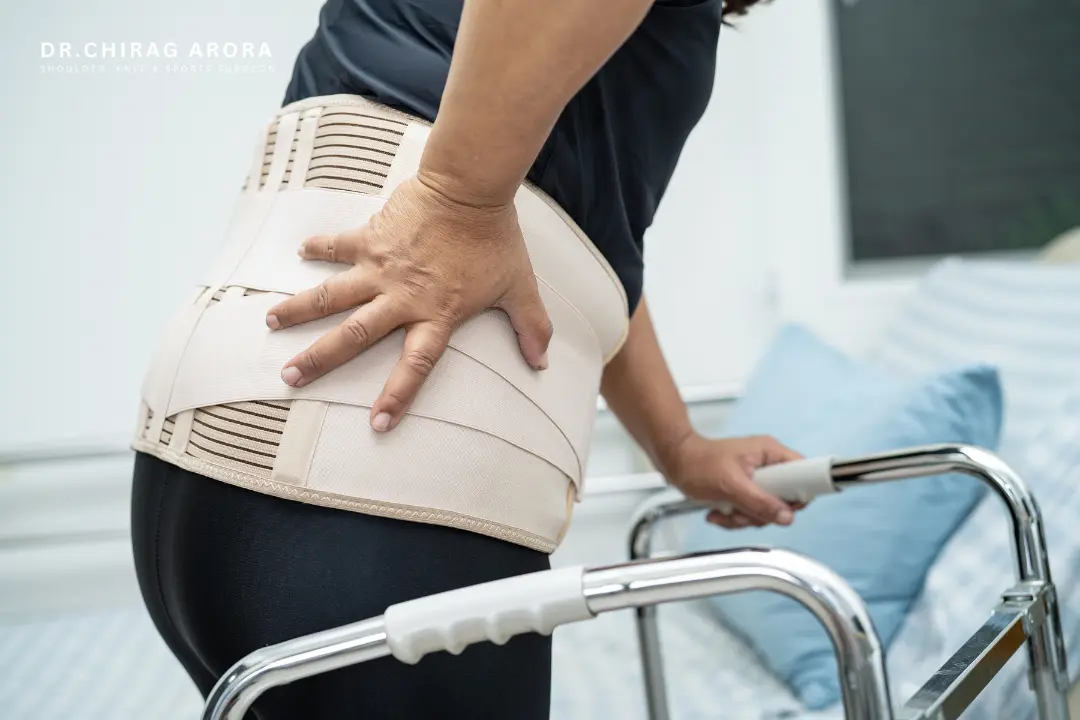
Back pain and neck pain have become increasingly common due to prolonged sitting, poor posture, and lack of physical activity.While occasional discomfort may not be serious, recurring pain should be evaluated by a bone specialist near you.
Warning Symptoms Include:
- Pain lasting more than a few weeks
- Pain radiating to the arms or legs
- Numbness or tingling sensations
- Muscle weakness
- Difficulty standing or walking
These symptoms may indicate:
-
- Herniated discs
- Spinal stenosis
- Degenerative disc disease
- Sciatica
- Spinal alignment problems
5. Weakness, Instability, or Difficulty Walking
Many orthopedic conditions affect balance, stability, and muscle strength. You may feel as though your knee is giving way, your ankle is unstable, or walking has become difficult.
Common Signs:
- Frequent falls
- Difficulty climbing stairs
- Knee buckling
- Unsteady walking
- Muscle weakness
- Loss of balance
These symptoms may result from:
- Ligament injuries
- Arthritis
- Nerve compression
- Muscle disorders
- Joint degeneration
Ignoring these warning signs can increase the risk of serious injuries and fractures.
Why Early Diagnosis Matters
Many orthopedic conditions progress gradually. What starts as mild discomfort can eventually become severe pain, limited mobility, or permanent joint damage.
Benefits of early diagnosis include:
- Faster recovery
- Less invasive treatment options
- Reduced pain and discomfort
- Better mobility
- Prevention of long-term complications
- Improved quality of life
Visiting an orthopedic doctor in Gurgaon as soon as symptoms appear can help identify the problem early and create an effective treatment plan.
When Should You See an Orthopedic Specialist?
You should consult an orthopedic specialist if you experience:
- Persistent joint pain
- Swelling that does not improve
- Difficulty moving a joint
- Frequent back or neck pain
- Numbness or tingling
- Muscle weakness
- Difficulty walking
- Sports-related injuries
- Pain affecting daily activities
Seeking medical care at the right time can significantly improve treatment outcomes.
How Dr. Chirag Arora Helps Patients
Dr. Chirag provides comprehensive orthopedic care focused on accurate diagnosis, personalized treatment, and long-term recovery. As an experienced orthopedic doctor in Gurgaon, he treats a wide range of conditions, including arthritis, sports injuries, ligament tears, fractures, spine disorders, and joint problems.
Patients benefit from evidence-based treatment plans designed to restore mobility, reduce pain, and improve overall function. Whether treatment involves medication, physiotherapy, minimally invasive procedures, or surgery, Dr. Chirag develops a customized approach for every patient.
If you are looking for a trusted orthopedic doctor in Gurgaon, consulting Dr. Chirag Arora can help address orthopedic concerns before they become more serious.
Conclusion
Orthopedic problems rarely develop overnight. They often begin with symptoms such as persistent pain, swelling, stiffness, limited movement, back pain, or instability. Recognizing these warning signs early can help prevent complications and improve treatment outcomes.
If you are experiencing any of these symptoms, do not wait for them to worsen. Consult Dr. Chirag Arora, orthopedic specialist in Gurgaon, for timely diagnosis and effective treatment that can help you return to an active and pain-free life. This way we can go back to living a pain-free life.
Frequently Asked Questions
Q1. What are the early warning signs of orthopedic problems?
Persistent pain, swelling, stiffness, reduced mobility, back pain, and difficulty walking are common early warning signs of orthopedic issues.
Q2. When should I consult a doctor for joint pain?
You should consult an expert orthopedic doctor like Dr. Chirag Arora if your joint pain lasts more than a few weeks, keeps recurring, or affects your daily activities.
Q3. Can swelling around a joint indicate a serious orthopedic condition?
Yes. Persistent swelling may indicate arthritis, ligament injuries, tendon problems, or other orthopedic conditions requiring medical evaluation.
Q4. Why is limited range of motion considered a warning sign?
Difficulty moving a joint may indicate arthritis, frozen shoulder, ligament damage, or other orthopedic disorders that need treatment.
Q5. Is chronic back pain an orthopedic issue?
Yes. Chronic back pain can result from spinal conditions such as herniated discs, sciatica, degenerative disc disease, or spinal stenosis.
Q6. What causes weakness or instability while walking?
Weakness and instability can be caused by arthritis, ligament injuries, muscle weakness, nerve compression, or joint degeneration.
Q7. How can an orthopedic doctor in Gurgaon diagnose orthopedic conditions?
An orthopedic specialist may use physical examinations, imaging tests, X-rays, MRI scans, and medical history evaluation to diagnose the condition.
Q8. Can orthopedic issues be treated without surgery?
Many orthopedic conditions can be managed through medications, physiotherapy, lifestyle modifications, injections, and minimally invasive treatments.
Q9. Why choose Dr. Chirag Arora for orthopedic treatment in Gurgaon?
Dr. Chirag Arora provides comprehensive orthopedic care with personalized treatment plans focused on pain relief, mobility restoration, and long-term recovery.
Q10. How do I book an appointment with Dr. Chirag Arora?
You can book an appointment with Dr. Chirag Arora, orthopedic doctor in Gurgaon, at Nirvana Clinic or at Fortis Hospital.