Cost of Shoulder Arthroscopy in Gurgaon

Cost of Shoulder Arthroscopy in Gurgaon

can make everyday activities really tough. Things like lifting your arm or sleeping comfortably can become a challenge. When your shoulder does not get better with medicine, therapy or rest, doctors often suggest shoulder arthroscopy as a way to treat it that’s not too invasive.

If you want to know about the cost of shoulder arthroscopy in Gurgaon, you should know that the price depends on several things. These include how severe your condition is, the hospital you choose, the surgeon’s expertise, and the care you need after surgery. Dr. Chirag Arora, a well-known , performs advanced arthroscopic procedures that help patients recover faster with less pain and scarring.

What is Shoulder Arthroscopy?

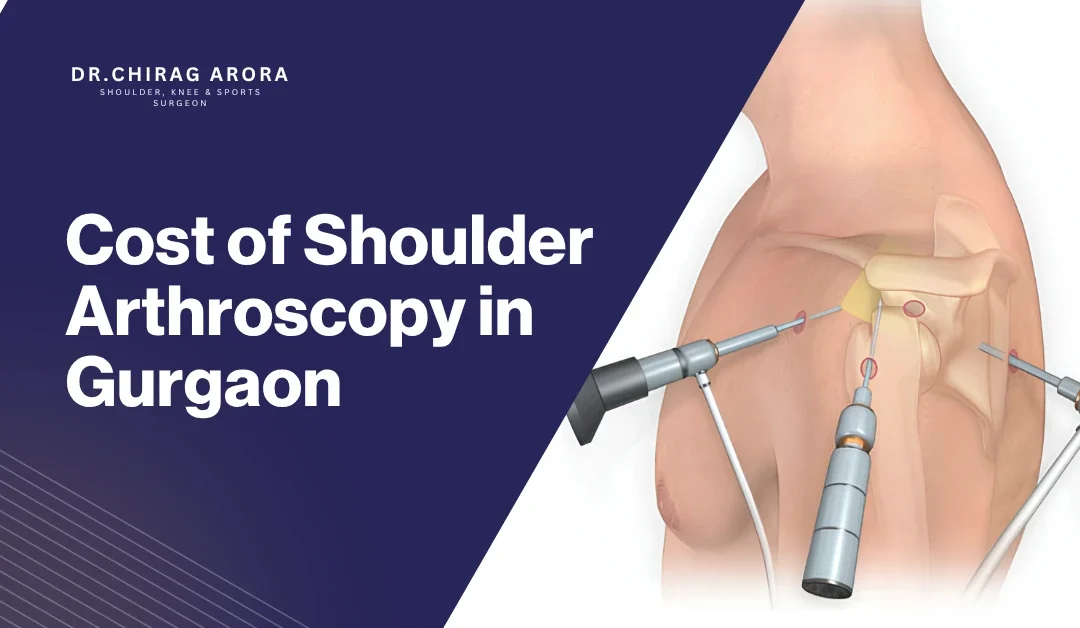
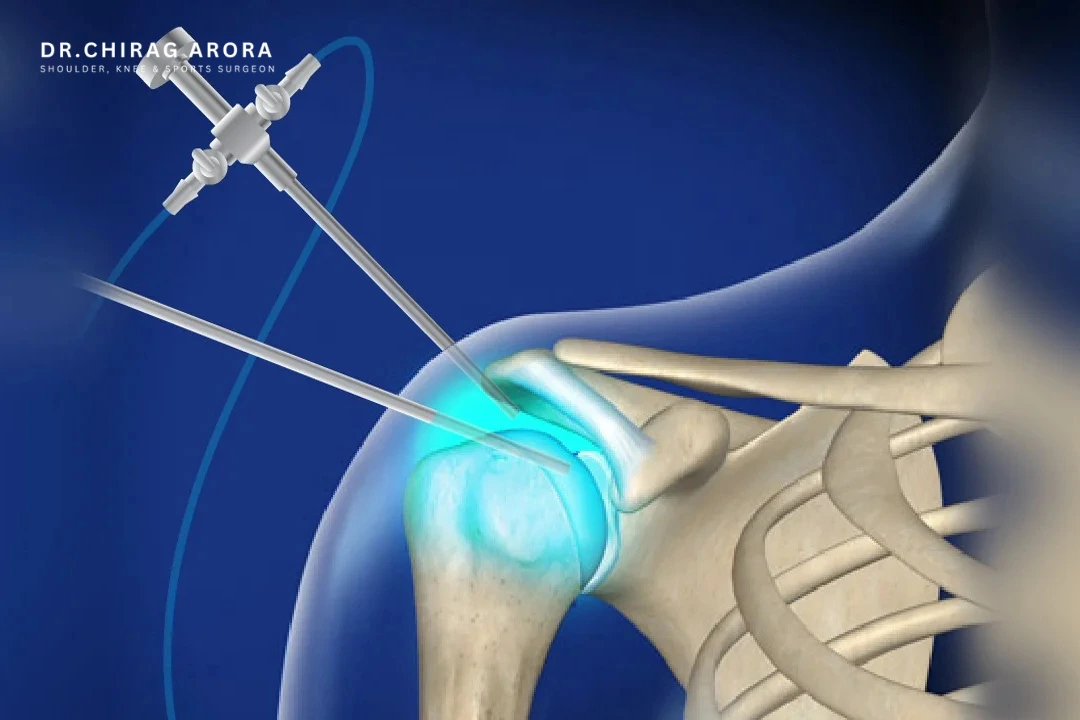
Shoulder arthroscopy is a surgical procedure used to diagnose and treat shoulder problems through small incisions. During the surgery, a tiny camera is inserted into the . This camera displays images on a screen, allowing the surgeon to identify and repair damaged tissues accurately.

Unlike traditional open surgery, arthroscopy is less invasive. It involves smaller incisions, less tissue damage, and a faster recovery. According to Dr. Chirag, shoulder arthroscopy is highly effective in treating common shoulder conditions while minimizing discomfort and downtime.

Conditions Treated with Shoulder Arthroscopy

    Some of these conditions include:

    • Rotator cuff tears
    • Shoulder impingement syndrome
    • Recurrent shoulder dislocation
    • Labral tears
    • Frozen shoulder
    • Shoulder instability
    • Biceps tendon injuries
    • Shoulder arthritis in selected cases
    • Removal of loose cartilage or bone fragments

    carefully evaluates each patient before recommending surgery to ensure the most suitable treatment plan.

    What is the Cost of Shoulder Arthroscopy in Gurgaon?

    The cost of shoulder arthroscopy in Gurgaon can vary from person to person.It generally ranges between ₹70,000 and ₹2,50,000 or more. The exact cost depends on the specific shoulder condition and the complexity of the procedure required.

    Factors Affecting the Cost of Shoulder Arthroscopy

    1. Type of Shoulder Condition

    A simple arthroscopic procedure may cost less than a complex rotator cuff repair or labral reconstruction.

    1. Hospital Facilities

    Hospitals with advanced technology and specialized care facilities may charge more.

    1. Surgeon’s Experience

    The expertise of the surgeon plays an important role in treatment outcomes and overall cost.

    1. Diagnostic Tests

    MRI scans, X-rays, blood tests, and other investigations add to the total expense.

    1. Surgical Materials

    Some procedures require specialized anchors, sutures, or implants that may increase costs.

    1. Hospital Stay

    The duration of hospitalization can influence the final treatment cost.

    1. Physiotherapy and Rehabilitation

    Post-operative rehabilitation is essential for recovery and should be considered when estimating the total expense.

    Benefits of Shoulder Arthroscopy

    Some of the major benefits include:

    • Smaller incisions and minimal scarring
    • Less pain after surgery
    • Faster return to daily activities
    • Lower risk of infection
    • Better visualization of shoulder structures for accurate treatment

    These advantages are among the reasons why Dr. Chirag Arora often recommends arthroscopy whenever appropriate.

    Who May Need Shoulder Arthroscopy?

    You may need shoulder arthroscopy if you have:

    • Persistent shoulder pain
    • Shoulder weakness
    • Recurrent shoulder dislocations
    • Limited shoulder movement
    • Clicking or catching sensations in the shoulder
    • Sports-related shoulder injuries
    • Failure of conservative treatments

    A consultation with the best shoulder doctor in Gurgaon, can help determine whether shoulder arthroscopy is the right treatment option for you.

      Recovery After Shoulder Arthroscopy

      Recovery takes time and varies depending on the procedure performed.During the first few days, you may experience mild pain and swelling, which can usually be controlled with medication.

      Most patients can return to basic daily activities within a few weeks. Physiotherapy is important for restoring shoulder strength, flexibility, and function. Athletes and physically active individuals may require several months before returning to sports. Dr. Chirag provides personalized rehabilitation plans to support a smooth and successful recovery.

        Why Choose Dr. Chirag Arora for Shoulder Arthroscopy?

        Dr. Chirag Arora is recognised as the best shoulder doctor in Gurgaon with extensive experience in sports injuries, arthroscopy, and shoulder surgery.

        Patients choose him because he:

        • Has extensive experience in arthroscopic procedures
        • Uses advanced minimally invasive techniques
        • Creates personalized treatment plans
        • Provides complete rehabilitation guidance
        • Focuses on long-term outcomes and faster recovery
        • Maintains a patient-centric approach

        Many people are searching for an experienced orthopedic doctor in Gurgaon like Dr. Chirag Arora to seek his expertise for shoulder injuries and sports-related conditions.

        How to Prepare for Shoulder Arthroscopy

        Before surgery, your doctor may advise you to:

        • Undergo MRI or other imaging tests
        • Complete blood investigations
        • Review current medications
        • Temporarily stop certain medicines
        • Avoid eating before surgery
        • Arrange transportation after discharge

        Following these instructions can help ensure a smoother surgical experience and recovery.

        Conclusion

        Understanding the cost of shoulder arthroscopy in Gurgaon can help you make an informed treatment decision. Although the overall cost varies depending on the condition, hospital, and procedure complexity, arthroscopy remains one of the most effective minimally invasive treatments for shoulder disorders.

        If you are experiencing ongoing shoulder pain, recurrent dislocations, or sports-related shoulder injuries, consult Dr. Chirag Arora, . Early diagnosis and appropriate treatment can help you regain shoulder function, reduce pain, and improve your quality of life.

        Frequently Asked Questions

        Q1. 1. What is the average cost of shoulder arthroscopy in Gurgaon?

        The cost of shoulder arthroscopy in Gurgaon typically ranges from ₹70,000 to ₹2,50,000 or more, depending on the condition and treatment required.

        Q2. Is shoulder arthroscopy covered by health insurance?

        Yes, most health insurance policies cover shoulder arthroscopy when it is medically necessary. Coverage depends on your policy terms.

        Q3. How long does shoulder arthroscopy surgery take?

        The procedure generally takes between 30 minutes and 2 hours, depending on the complexity of the condition.

        Q4. How long is the hospital stay after shoulder arthroscopy?

        Many patients are discharged on the same day or within 24 hours after surgery.

        Q5. Is shoulder arthroscopy painful?

        Patients are given anesthesia during surgery, and post-operative discomfort is usually manageable with medications and physiotherapy.

        Q6. How soon can I return to work after shoulder arthroscopy?

        Desk workers may return within 1–2 weeks, while physically demanding jobs may require several weeks or months of recovery.

        Q7. Can shoulder arthroscopy treat rotator cuff tears?

        Yes, shoulder arthroscopy is commonly used to repair rotator cuff tears with excellent outcomes.

        Q8. Is physiotherapy necessary after shoulder arthroscopy?

        Yes, physiotherapy is crucial for restoring strength, mobility, and shoulder function after surgery.

        Q9. Why should I choose Dr. Chirag Arora for shoulder arthroscopy?

        Dr. Chirag Arora is an experienced orthopedic doctor in Gurgaon specializing in advanced arthroscopic procedures and personalized patient care.

        Q10. How do I book an appointment with Dr. Chirag Arora?

        You can book an appointment with Dr. Chirag Arora, orthopedic doctor in Gurgaon, at Nirvana Clinic or at Fortis Hospital.
        Cost of Shoulder Arthroscopy in Gurgaon, shoulder arthroscopy cost Gurgaon, shoulder arthroscopy surgery Gurgaon, Dr. Chirag Arora, orthopedic doctor in Gurgaon, dr chirag arora, shoulder pain treatment Gurgaon, rotator cuff tear surgery Gurgaon, shoulder arthroscopy specialist Gurgaon, sports injury treatment Gurgaon, shoulder dislocation treatment Gurgaon, shoulder surgeon Gurgaon, minimally invasive shoulder surgery, arthroscopic shoulder surgery cost, best orthopedic doctor in Gurgaon, shoulder injury treatment, frozen shoulder treatment Gurgaon, shoulder instability treatment, shoulder joint surgery Gurgaon, sports orthopedic surgeon Gurgaon, arthroscopy surgeon Gurgaon, shoulder repair surgery Gurgaon, orthopedic specialist Gurgaon, shoulder rehabilitation Gurgaon, shoulder surgery recovery
        Painful Shoulder: When to consider beyond Frozen Shoulder?

        Painful Shoulder: When to consider beyond Frozen Shoulder?

        PAINFUL SHOULDER : WHEN TO CONSIDER BEYOND ?

        Shoulder pain is one of the most common reasons patients visit an orthopaedic specialist. Two conditions that frequently cause discomfort, restriction, and night pain are Frozen Shoulder (Adhesive Capsulitis) and Rotator Cuff Tears. Although they may feel similar initially, their causes, symptoms, and treatments are completely different — which is why an accurate diagnosis is crucial.

        In this article, we break down the key differences every patient should understand, so you know when to seek treatment and what to expect.

        What Is Frozen Shoulder?

          Frozen Shoulder occurs when the capsule becomes inflamed, thickened, and extremely tight. This leads to progressive stiffness and difficulty moving the arm in all directions.

          Common characteristics

          • Severe stiffness
          • Pain (especially at night)
          • Gradual onset
          • Difficulty with routine activities like combing hair, reaching behind the back, or lifting the arm
          • Severly compromised movement/ROM.

          Common in

          • Women/Men aged 40–60
          • Diabetic patients/Thyroid issues
          • Post-injury or after prolonged immobilization (e.g., cast, sling)
          • Post surgery

          Frozen Shoulder is more of a stiffness problem than a tendon/strength problem.

          What Is a ?

            The rotator cuff is a group of tendons that stabilize the shoulder. These tendons include supraspinatus, infraspinatus, teres minor and subscapularis. A tear in any of these tendons — commonly the supraspinatus — leads to pain, weakness, and difficulty lifting the arm.

            Common characteristics

            • Sharp pain
            • Significant weakness when lifting or reaching overhead
            • Pain during activity
            • Often severe night pain
            • May follow an injury, fall, or heavy lifting

            Causes

            • Trauma
            • Age-related degeneration (common after age 50)
            • Repetitive overhead work or sports

            Rotator cuff tears are tendon injuries, not stiffness conditions.

            Frozen Shoulder vs Rotator Cuff Tear: The Key Differences

            1. Pain vs Stiffness

            Frozen Shoulder:

            • Both pain and stiffness are present, but stiffness is the main issue.

            Rotator Cuff Tear:

            • Pain and weakness are the dominant symptoms; stiffness is mild or secondary to pain, predominantly weakness of lifting strength.

            2. Range of Motion

            Frozen Shoulder:

            • Active + Passive ROM are both restricted.
              Even when the doctor moves your arm, movement is limited.

            Rotator Cuff Tear:

            • Active ROM is reduced, but
            • Passive ROM is usually normal.
              The doctor can lift your arm higher than you can on your own.

            3. Onset Pattern

            • Frozen Shoulder: Gradual, worsening over weeks to months.
            • Rotator Cuff Tear: Sudden after trauma OR slow degenerative onset.

            4. Weakness

            Frozen Shoulder:

            • Apparent weakness due to stiffness, not tendon damage.

            Rotator Cuff Tear:

            • True weakness because the tendon is torn.

            5. Night Pain

            Both may cause night pain, but it is typically much more severe in rotator cuff tears.

            Diagnosis

            Frozen Shoulder Diagnosis

            • Primarily clinical (based on examination)
            • X-ray usually normal
            • MRI may show capsule thickening but is not always required

            Rotator Cuff Tear Diagnosis

            • Clinical examination
            • Confirmed by MRI or ultrasound
            • X-ray may show bone spurs or calcification
            • In chronic tears, arthritis changes may develop.

            DISTINCTION BETWEEN ROTATOR CUFF AND FROZEN SHOULDER IS CRUCIAL.

            Rotator cuff tears are critical, in the sense that untreated full thickness tears can progress to shoulder arthritis over longer course. 

            Treatment Options

            • Hot packs, NSAIDs (medications)
            • Physiotherapy (add-on treatment in addition to medications)
            • Intra-articular steroid injection for pain relief
            • Arthroscopic release for severe or long-standing stiffness (as a last option)

            • Partial tear: Anti-inflammatory medications, , physiotherapy, arthroscopic repair surgery.
            • Large or full-thickness tear: Usually requires arthroscopic rotator cuff repair (first choice)
            • Postoperative physiotherapy is essential for recovery

            The decision for surgery in partial tear is based on your examination and usually after a non-operative trial (with medicines and PT) for 4-6 weeks. Discuss with your . 

            • Frozen Shoulder: Short recovery — typically 6-8  weeks (after a steroid injection: long recovery – 4-6 months (medications)

            • Rotator Cuff Tear:
              • Conservative treatment: Partial tear (4-6 months)
              • Surgery: Full tears (3 months for functional recovery)

            How to Know Which One You Have?

            Here’s a simple rule:

            • Severe stiffness + difficulty rotating arm → likely Frozen Shoulder
            • Sharp pain + weakness + difficulty lifting → likely Rotator Cuff Tear

            However, only a detailed clinical examination and imaging can confirm the diagnosis.

            Final Takeaway

            Although Frozen Shoulder and Rotator Cuff Tears may both cause , they differ in their Causes, Symptoms, Movement Limitations, and Treatment Strategies. Early evaluation by an shoulder specialist surgeon helps prevent delayed recovery and long-term dysfunction.

            Shoulder pain shouldn’t limit your life. If stiffness, weakness, or night pain is troubling you, consult Dr. Chirag Arora today. As a leading orthopedic and shoulder specialist in Gurgaon, he provides accurate diagnosis and advanced treatment for Frozen Shoulder, Rotator Cuff Tears, and complex shoulder conditions. Early evaluation with Dr. Arora can prevent long-term damage and ensure faster recovery. Book your appointment now.