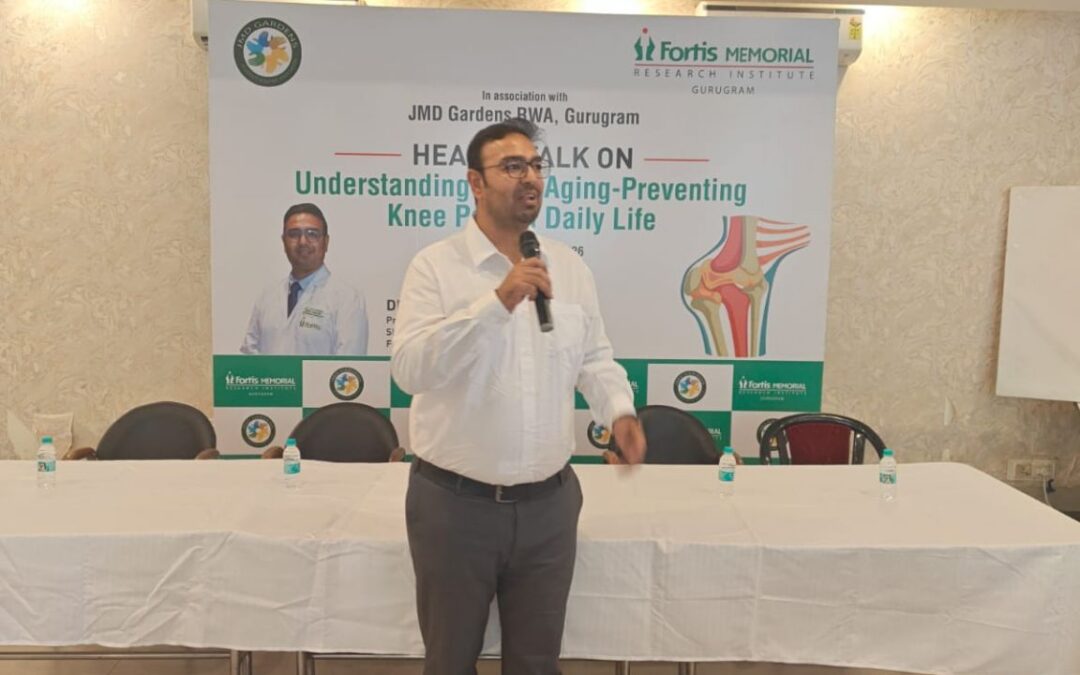
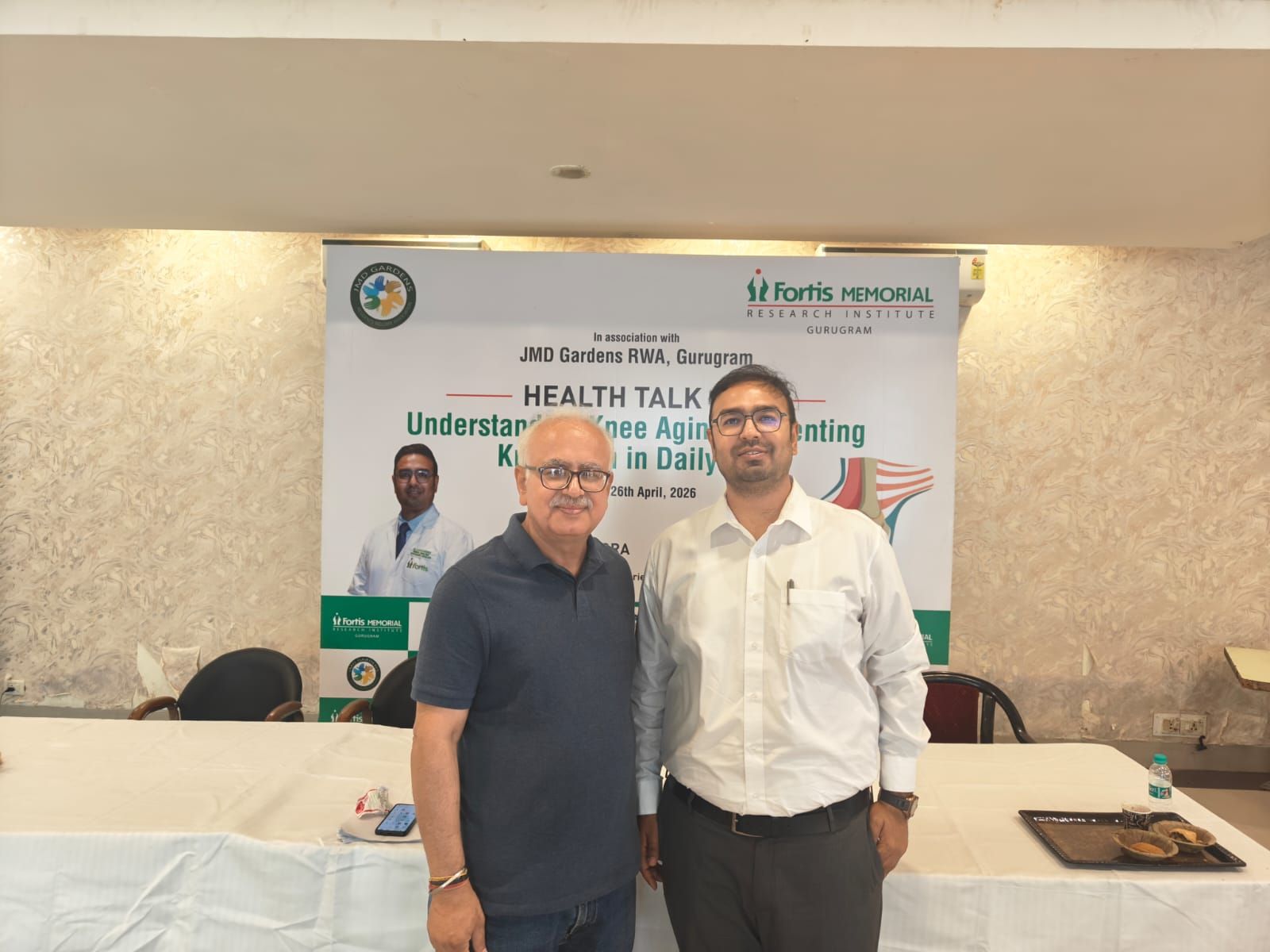
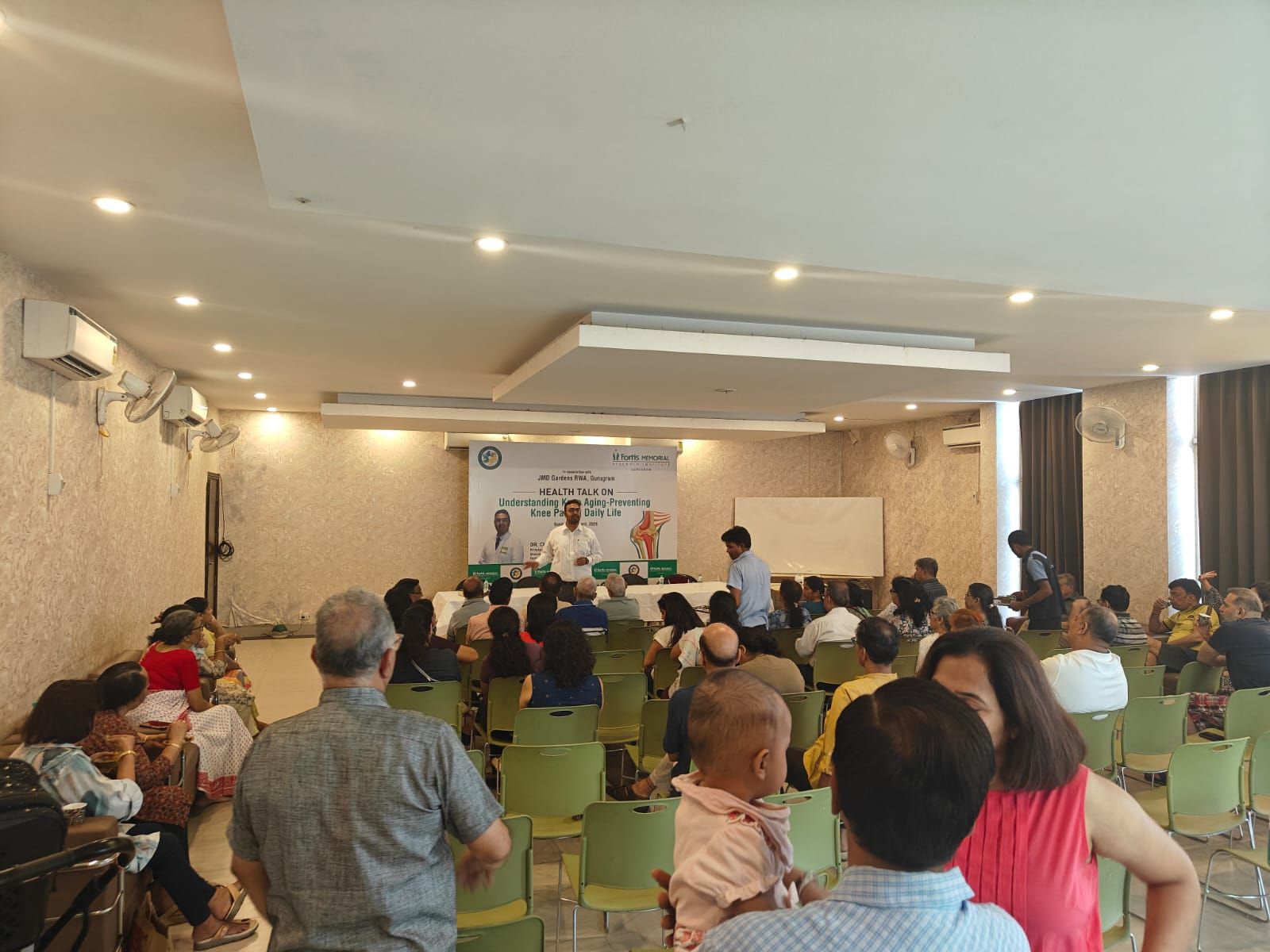
As part of a community health awareness initiative, Dr. Chirag had the opportunity to deliver an interactive health talk at JMD Gardens RWA, Gurugram, on the topic “Understanding Knee Aging & Preventing Knee Pain in Daily Life.” The session brought together residents from various age groups who were keen to learn about maintaining healthy joints, preventing knee problems, and preserving mobility as they age.
Understanding the Aging Knee
Knee pain is one of the most common musculoskeletal complaints among adults, particularly with advancing age. During the session, Dr. Chirag explained the natural changes that occur within the knee joint over time, including cartilage wear, reduced joint flexibility, muscle weakness, and the gradual development of osteoarthritis. These changes can impact daily activities such as walking, climbing stairs, sitting, and standing, often affecting overall quality of life.
Using simple and practical explanations, he helped participants understand the difference between normal age-related changes and symptoms that may indicate an underlying knee condition requiring medical attention.
Preventing Knee Pain in Everyday Life
A major focus of the discussion was on preventive strategies that can help individuals maintain healthy knees and reduce the risk of pain and injury. Participants learned about the importance of regular physical activity, maintaining a healthy body weight, strengthening the muscles around the knee, and practicing proper movement techniques during daily activities.
Dr. Chirag also highlighted the role of flexibility exercises, posture correction, appropriate footwear, and avoiding repetitive strain on the joints. Small lifestyle modifications, when adopted consistently, can significantly reduce stress on the knees and help preserve long-term joint function.
Many people tend to ignore knee discomfort until it begins to interfere with their daily routine. During the session, emphasis was placed on recognizing early warning signs such as persistent pain, swelling, stiffness, difficulty walking, or reduced range of motion. Seeking timely medical evaluation can often help identify problems at an early stage and prevent further joint damage.
Participants were encouraged to view orthopedic care not only as a treatment option but also as an important component of preventive healthcare.
Encouraging Active and Independent Living
The session concluded with an engaging discussion where residents shared their concerns, experiences, and questions regarding knee health. The enthusiastic participation reflected a growing awareness of the importance of preventive orthopedic care within the community.
Through initiatives like these, Dr. Chirag continues to promote awareness about healthy aging, empowering individuals to take proactive steps toward maintaining mobility, independence, and a better quality of life. With the right knowledge, timely intervention, and healthy lifestyle choices, knee pain does not have to be an inevitable part of aging.
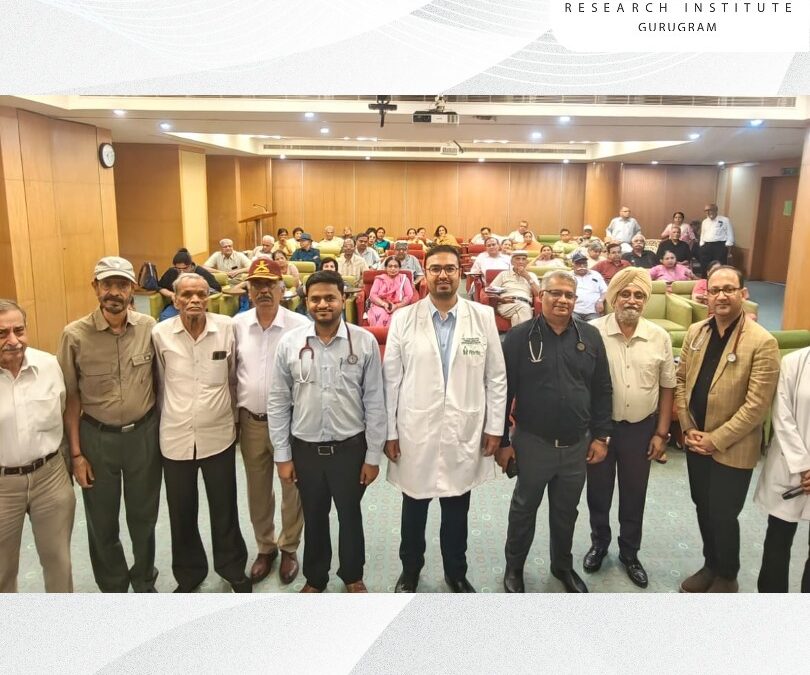
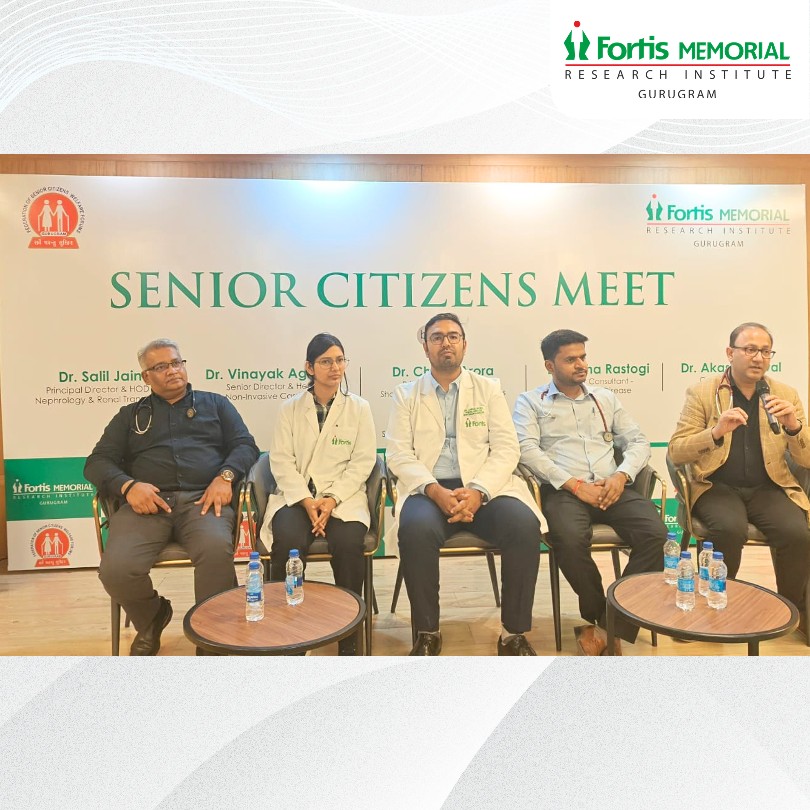
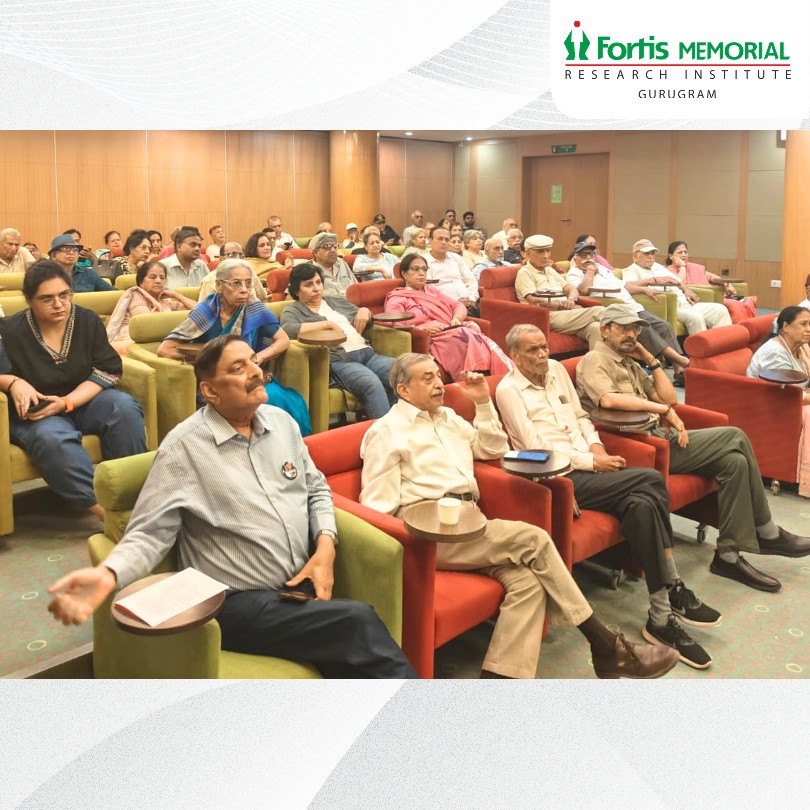
As part of a Senior Citizens Wellness Meet organized by Fortis Memorial Research Institute (FMRI), Gurugram, in association with a local senior citizens’ group, Dr. Chirag and the orthopedic team conducted an informative and interactive session focused on shoulder health in the elderly. The event brought together a large number of senior citizens who were eager to learn more about maintaining mobility, independence, and overall musculoskeletal well-being as they age.
Shoulder pain is one of the most common complaints among older adults, yet it is often overlooked or accepted as an inevitable consequence of growing older. During the session, Dr. Chirag discussed several frequently encountered shoulder conditions, including rotator cuff tears, frozen shoulder, shoulder arthritis, tendonitis, and age-related degenerative changes. Using simple explanations and real-life examples, he helped participants understand the causes, symptoms, and treatment options for these conditions.
Addressing Common Myths and Misconceptions
One of the key highlights of the session was addressing the many myths surrounding shoulder pain. Many attendees believed that pain and stiffness are a natural part of aging and must simply be tolerated. Others assumed that surgery is the only option for chronic shoulder conditions.
Dr. Chirag clarified that while age-related changes may increase the likelihood of shoulder disorders, persistent pain should never be ignored. He explained that many shoulder conditions can be effectively treated without surgery, especially when diagnosed early. Through evidence-based guidance, he helped dispel confusion and encouraged seniors to take a proactive approach toward their musculoskeletal health.
Importance of Prevention and Early Intervention
The discussion also focused on the importance of preventive care. Participants were educated about maintaining shoulder strength and flexibility through regular exercise, proper posture, and an active lifestyle. The role of physiotherapy, guided rehabilitation, and lifestyle modifications in managing shoulder conditions was highlighted, along with the benefits of seeking medical attention before symptoms become severe.
What made the session particularly meaningful was the enthusiastic participation from the audience. Seniors openly shared their experiences, concerns, and questions, leading to a lively and engaging exchange of ideas. This interactive approach not only helped dispel confusion but also empowered attendees to make informed decisions about their health.
The session served as a reminder that healthy aging is closely linked to awareness and preventive healthcare. By educating senior citizens about common shoulder problems and available treatment options, Dr. Chirag and the Fortis team reinforced the message that growing older does not mean living with pain. With the right knowledge, timely care, and proactive lifestyle choices, seniors can continue to lead active, independent, and fulfilling lives.
Recovery after a Shoulder Arthroscopic Cuff Repair Surgery can feel overwhelming at first, but with the right information and guidance, patients can return to their normal routines with strength and confidence. This minimally invasive procedure allows for quicker healing compared to traditional surgery, but recovery still requires a carefully planned rehabilitation process to ensure optimal shoulder function. In this blog, Dr. Chirag Arora, an experienced orthopaedic surgeon in Gurgaon, covers what to expect at each stage of recovery, tips for faster healing, and when to seek medical attention for the best possible outcomes.
Recovery after shoulder arthroscopy surgery is generally smoother, faster, and less painful than open surgery, but it still requires a structured rehabilitation plan. Here’s a detailed breakdown of what to expect during recovery:
IMMEDIATE POST-SURGERY (DAY 1–14)
What to Expect after Shoulder Arthroscopic Cuff Repair Surgery
• Pain and swelling are common. • Most cases do not require sling immobilization in our practice. • Ice packs help reduce swelling and discomfort. • Medications (painkillers/anti-inflammatories) are prescribed.
Care Tips
• Keep the incision area clean and dry. • Begin gentle hand, wrist, and elbow movements to prevent stiffness. • Start passive range-of-motion exercises (as directed by your surgeon/physiotherapist). • Start active assisted ROM exercises as directed by your surgeon (In our practice, we start shoulder movements on day 1-2) • Physiotherapy is started from day 5
STITCH REMOVAL DONE AT 12-14 DAYS POST SURGERY (outpatient)
Activities Of Daily Living
• Walking (from day 1) • Office work (can start from 3-5 days) • Lifting a daily object, underhand for around 10-14 days • Travel is allowed as comfortably
• Avoid lifting, reaching, or overhead motions. • Stay consistent with rehab exercises.
Activities of daily living
• Begin supervised physiotherapy, focusing on: Passive and then active-assisted shoulder movements, and Scapular mobility and posture training • Keep wound moisturized • Maintain daily movements • Continue your office work and prevent any injuries during travel
MID-TERM RECOVERY (WEEKS 6–12)
Goals
• Regaining strength and full range of motion.
Physiotherapy Progresses to
• Active range-of-motion exercises • Strength training for rotator cuff and scapular stabilizers • Resistance band exercises
Activities of daily living
• Can progress to driving, individualized by your surgeon • Continue physiotherapy, focusing on: active ROM and light resistance training exercises • Swimming and light daily lifting activities • Passive and then active-assisted shoulder movements and, Scapular mobility and posture training • Most able to do all overhead movements
FULL RECOVERY PHASE (3–6 MONTHS)
Expectations
• Gradual return to sports, work, or repetitive shoulder tasks, depending on surgery type (e.g., rotator cuff repair, labral repair, decompression, etc.). • Most patients resume full activity by 4–6 months.
Long-Term Maintenance
• Continue strengthening and flexibility exercises. • Pay attention to posture and ergonomics to avoid re-injury. • Gym-related weight training • Sports-specific rehab
WHEN TO CALL THE DOCTOR
Contact your surgeon if you experience
• Fever or chills • Redness or drainage from the incision • Severe or increasing pain/swelling • Numbness or tingling in your hand/arm
DISCLAIMER: These are rough guidelines, we have developed in our practice over the years of experience and trial. Still, each case has to be individualized by the operating surgeon and rehab devised in sync with physiotherapy.
Conclusion
Recovering after shoulder arthroscopy is a step-by-step journey that requires patience, dedication, and the right guidance. While most patients experience faster healing and less discomfort compared to open surgery, following a structured rehabilitation plan is crucial to regain full strength and mobility.
Undergoing arthroscopy is a significant step towards addressing your joint problem and improving your quality of life. While the procedure itself is minimally invasive, the post-operative period is a crucial phase where your body heals and regains strength and function. This guide aims to empower you with the knowledge and practical advice needed to navigate your recovery journey successfully. Based on my experience helping many patients recover from arthroscopy, this guide offers simple and practical advice to help you heal as well as possible.
What is Arthroscopy
Arthroscopy, often referred to as ” keyhole surgery,” involves the insertion of a small camera (an arthroscope) and specialized surgical instruments through tiny incisions near your joint. This allows your surgeon to visualize the inside of the joint on a monitor and perform necessary repairs or diagnostic procedures without the need for large incisions. Common conditions treated with arthroscopy include meniscus tears, ligament damage (like ACL tears), cartilage issues, and removal of loose bodies in joints like the knee, shoulder, hip, and ankle. The benefits of arthroscopy often include less pain, smaller scars, and a potentially faster recovery compared to traditional open surgery.
What to expect after surgery?
Immediately after your arthroscopy, you’ll likely experience some degree of discomfort, swelling, and stiffness around the operated joint. This is a normal part of the healing process. You’ll be closely monitored as you wake up from anesthesia. Before you go home, you’ll receive specific instructions regarding pain management, wound care, immobilization, weight bearing, etc.
Recovery Tips
Take prescribed pain medication as directed: Your doctor will give you medication to help manage the pain after surgery. It’s important to take it when and how they tell you to, even if your pain isn’t too bad yet, to stay comfortable and help you participate in your recovery.
Apply ice packs to the surgical area regularly: Ice helps to reduce swelling and pain around your incision and the joint that was operated on. Use an ice pack wrapped in a thin cloth for about 15-20 minutes several times a day, especially in the first few days after surgery.
Keep your incisions clean and dry: Proper wound care is essential to prevent infection. Follow your doctor’s specific instructions on how to clean your incisions and when to change dressings.
Perform gentle movements as directed by your therapist: Even in the early stages, your physical therapist might give you very gentle exercises to do. These help to promote blood flow and prevent stiffness in the joint and surrounding muscles.
Avoid pushing yourself too hard during activities: While it’s important to be active in your recovery, don’t try to do too much too soon. Gradually increase your activity level as advised by your doctor and therapist. Overdoing it can lead to pain and setbacks.
Attend all scheduled physical therapy appointments: Physical therapy is a key part of your recovery. Your therapist will guide you through exercises to regain range of motion, strength, and function. Make sure you go to all your appointments and actively participate.
Wear your brace, splint, or sling as instructed: If your surgeon gives you a brace, splint, or sling, it’s there to protect the healing tissues and keep your joint stable.
Eat a balanced diet to support healing: Eating nutritious foods, especially those rich in protein and vitamins, can help your body repair tissues and recover faster.
Ask your doctor or therapist any questions you have: Don’t hesitate to ask your healthcare team if you have any questions or concerns about your recovery. You can consult Dr. Chirag Arora, Best Orthopaedic surgeon in Gurgaon, for expert advice.
Conclusion
Recovering from arthroscopy is a process that requires patience, consistency, and the right support. By following your surgeon’s instructions, staying committed to physical therapy, and listening to your body, you can help ensure a smooth and successful recovery. Remember, every patient heals at their own pace, so it’s important not to compare your progress to others. If you have concerns during your recovery or need personalized guidance, don’t hesitate to seek expert care. Dr. Chirag Arora, one of the best Orthopaedic surgeons in Gurgaon, is here to help you through every step of your healing journey. With the right approach and support, you’ll be back to your daily activities, and doing what you love, stronger and healthier than before.