

Shoulder Dislocations
Shoulder Pain: Causes, Symptoms & Treatments
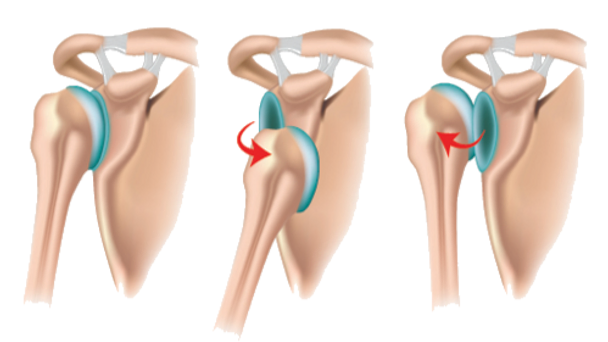
Shoulder dislocation is a condition in which the shoulder joint repeatedly slips out of its normal position. The shoulder is one of the most mobile joints in the body, which also makes it more prone to instability. After the first dislocation, the ligaments, cartilage, and soft tissues around the shoulder may become stretched, torn, or weakened. This reduces the joint’s ability to stay stable, increasing the chances of repeated dislocations even with minor movements.
This condition is commonly seen in young adults, athletes, and individuals involved in contact sports or activities that require frequent overhead arm movements. If not treated properly, repeated dislocations can lead to chronic pain, joint instability, and long-term damage to the shoulder.
Causes of Shoulder Dislocations
Recurrent dislocations usually occur due to underlying structural damage or weakness in the shoulder joint. Common causes include:
- A previous shoulder dislocation that did not heal completely
- Weak or overstretched shoulder ligaments
- Labral tears (such as Bankart lesion)
- Bone loss from the shoulder socket or upper arm bone
- Sports injuries or accidents
- Sudden forceful movements or impact on the arm
With each dislocation, the stability of the shoulder joint decreases, making future episodes more frequent and easier to occur.
Symptoms of Shoulder Dislocations
Patients with recurrent shoulder instability may experience:
- Repeated episodes of the shoulder slipping out of place
- Pain during movement or after dislocation
- A feeling of looseness or instability in the joint
- Difficulty lifting, rotating, or using the arm normally
- Fear or hesitation during activities due to risk of dislocation
- Reduced strength and confidence in shoulder movement
In some cases, even simple activities like reaching or stretching may trigger discomfort or a feeling of the shoulder “giving way.”
Treatment Options for Arthritis
Treatment depends on factors like age, activity level, number of dislocations, and severity of instability. The goal is to restore stability, reduce pain, and prevent further damage.
Non-Surgical Treatments
In mild or early cases, non-surgical management may be recommended:
- Activity modification to avoid movements that trigger dislocation
- Physiotherapy to strengthen shoulder muscles and improve stability
- Pain management and anti-inflammatory medications
- Use of shoulder braces or support in selected cases
These methods may help improve control of the joint, but they may not be sufficient in patients with repeated dislocations.
Surgical Treatments
Surgery is often recommended when the shoulder continues to dislocate despite conservative treatment. The aim of surgery is to repair damaged tissues and restore joint stability.
- Repair of torn ligaments and labrum
- Stabilization of the shoulder joint
- Correction of bone loss if present
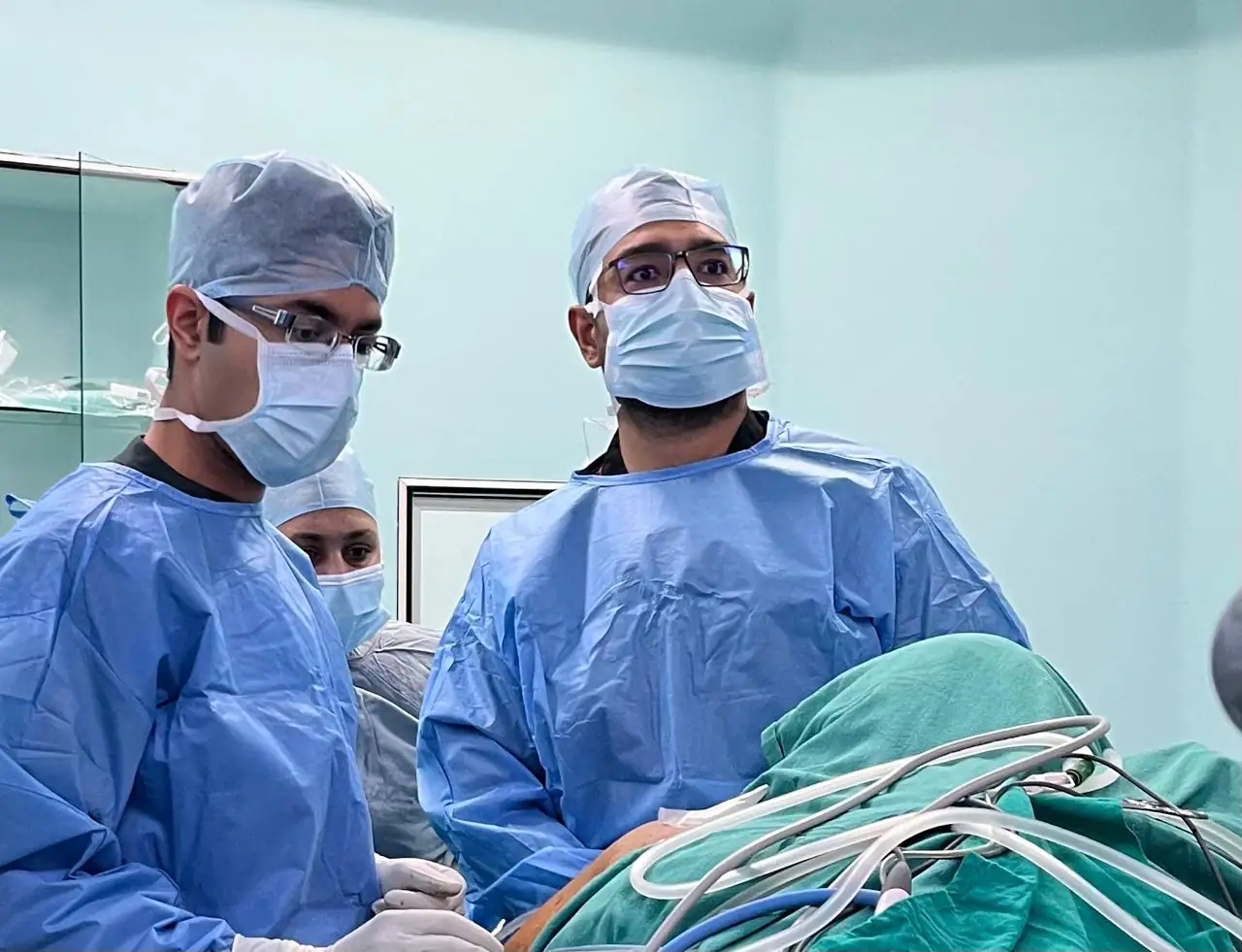
These procedures are usually performed using advanced techniques, including minimally invasive methods. Surgery helps prevent further dislocations and allows patients to return to daily activities and sports with better confidence and stability.
Why Choose Dr. Chirag Arora?
- Expertise in treating shoulder instability and sports injuries
- Accurate diagnosis using advanced techniques
- Personalized treatment plans based on patient needs
- Experience in both non-surgical and surgical care
- Focus on restoring stability, function, and long-term outcomes
FAQs
Q1. What is shoulder dislocation?
A: It is a condition where the shoulder joint repeatedly slips out of place, usually due to weakened ligaments or previous injury.
Q2. Can shoulder dislocation be treated without surgery?
A: In mild cases, physiotherapy and strengthening exercises may help improve stability.
Q3. When is surgery recommended?
A: Surgery is advised when dislocations occur frequently or affect daily activities and sports performance.
Q4. How long does recovery take after surgery?
A: Most patients return to routine activities in 2–3 months, while full strength recovery may take up to 6 months.
Q5. What is the cost of treatment?
A. The cost depends on the type of treatment. Non-surgical care is more affordable, while surgical treatment costs vary based on the procedure and rehabilitation required.
Q6. Why choose Dr. Chirag Arora, best orthopedic surgeon in Gurgaon?
A: Dr. Chirag has over 15 years of experience in treating patients and offers personalized care to each one of you tailored according to your needs.