Best Orthopedic Surgeon in Gurgaon: What to Look For Before You Choose

Best Orthopedic Surgeon in Gurgaon: What to Look For Before You Choose

BEST ORTHOPEDIC SURGEON IN GURGAON: WHAT TO LOOK FOR BEFORE YOU CHOOSE

Orthopedic problems can really affect your daily life. Knee pain can make climbing stairs difficult, while a shoulder injury may keep you awake at night. Similarly, a sports injury can prevent you from doing the activities you enjoy. When rest and basic treatment do not provide relief, choosing the right orthopedic surgeon becomes an important decision.

If you are looking for the Best Orthopedic Surgeon In Gurgaon do not just look at ratings or the clinic that is closest to your home. The right orthopedic surgeon should understand your problem and explain your options clearly and then recommend treatment based on what you actually need, Just like Dr. Chirag Arora

Here are some important things to think about before making your choice.

  1. Check the Doctors Qualifications and Experience

Orthopedics is a field that covers a lot of conditions involving the bones, joints, muscles, ligaments and tendons. Look at the surgeon’s qualifications, years of experience and what they specialize in.

When looking for the Best Orthopedic Surgeon In Gurgaon think about whether the doctor treats conditions like yours. Experience with a type of injury or surgery can be really important when you have a complex joint problem or need a surgical procedure.

  1. Look for Experience to Your Condition

Not all orthopedic problems are treated the same way. Someone with a ligament injury from playing football may need a different approach more than someone with knee arthritis or persistent shoulder pain.

Orthopedic surgeons may have experience in areas like:

  •  ACL and ligament injuries
  •  Sports injuries
  •  Shoulder pain and instability
  •  Rotator cuff injuries
  •  Knee problems
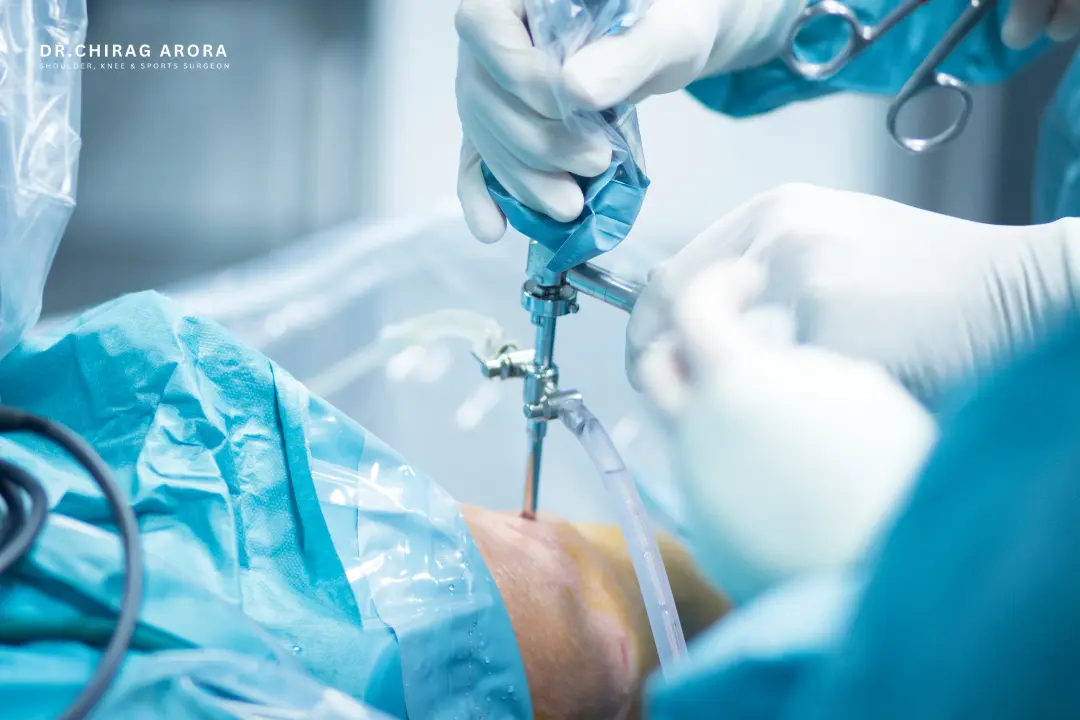
  •  Arthroscopy
  •  Joint preservation
  •  Fractures
  •  Arthritis
  •  Joint replacement
  1. A Good Surgeon Should Not Rush Into Surgery

Visiting a surgeon does not mean you will automatically need an operation. Many orthopedic conditions can be managed with medication, physiotherapy or other non-surgical methods.

A good orthopedic surgeon should first understand the cause of your symptoms and discuss whether conservative treatment is suitable. Surgery should usually be considered when it is medically necessary or when non-surgical treatment is unlikely to work.

  1. Pay Attention to How the Doctor Communicates

Medical terminology can be confusing especially when you are already worried about pain or surgery. A good orthopedic consultation should leave you with an understanding of your condition. The doctor should be willing to explain what is causing the problem, what the scans show and what treatment options are available.

You should feel comfortable asking questions like:

  •  Do I really need surgery?
  •  Are there non-surgical options?
  •  How long will recovery take?
  •  When can I return to work?
  •  Will I need physiotherapy?
  • Can I return to sports after treatment?
  1. Understand the Importance of Proper Diagnosis

Knee pain does not always come from the same condition, and shoulder pain does not always mean a rotator cuff tear. Symptoms that seem similar can have different underlying causes.

An orthopedic evaluation may include an examination and tests like an X-ray, MRI or CT scan. Treatment decisions should be based on the diagnosis, not just symptoms.

  1. Ask About Recovery and Rehabilitation

Treatment does not end once the procedure is completed. Proper recovery and rehabilitation are equally important after ligament reconstruction, arthroscopy, shoulder surgery, or joint replacement.

Before choosing the right orthopedic doctor in Gurgaon, ask about the recovery plan. Understand when physiotherapy will begin, which activities you should avoid, and how long it may take to return to work, sports, or your normal routine. Knowing what to expect before treatment can help you prepare better and follow the recovery plan with greater confidence.

  1. Consider Follow-Up Care

Orthopedic recovery often requires more than one consultation. The surgeon may need to check on your healing, movement or physiotherapy progress. 

Choosing Dr. Chirag Arora for Orthopedic Care in Gurgaon

      If you are looking for an experienced orthopedic doctor in Gurgaon, you may consult Dr. Chirag Arora for:

      • Knee conditions
      • Shoulder injuries
      • Joint problems
      • Sports-related injuries

      An orthopedic consultation should consider your symptoms, examination findings, activity level, lifestyle, and treatment goals. Whether your treatment involves physiotherapy, medication, lifestyle changes, or an orthopedic procedure, the plan should be tailored to your individual condition and needs.

      Conclusion

      Choosing the Best Orthopedic Surgeon In Gurgaon is not about finding the doctor with the most reviews. Look for experience, clear communication, proper evaluation and realistic treatment advice and most importantly choose an orthopedic surgeon who takes the time to understand how the problem is affecting your daily life.

      If knee pain, shoulder pain or another orthopedic condition is affecting your movement or daily activities you can consult Dr. Chirag Arora, in Gurgaon for a proper evaluation and suitable treatment options.

      Frequently Asked Questions

      Q1. Who is the Best Orthopedic Surgeon In Gurgaon?

      The right orthopedic surgeon depends on your specific condition. Patients can consult Dr. Chirag Arora in Gurgaon for evaluation of joint, knee, shoulder, and sports-related orthopedic problems.

      Q2. When should I visit an orthopedic surgeon?

      Consider consulting an orthopedic surgeon if pain, swelling, stiffness, weakness, or difficulty with movement continues or starts affecting your daily activities.

      Q3. Does visiting an orthopedic surgeon mean I need surgery?

      No. Many orthopedic conditions can be treated with medication, physiotherapy, exercises, activity changes, or other non-surgical treatments.

      Q4. How do I choose an orthopedic doctor in Gurgaon?

      Check qualifications, relevant clinical experience, area of specialization, communication, approach to non-surgical treatment, and follow-up care.

      Q5. Which doctor should I consult for a sports injury in Gurgaon?

      A sports injury should ideally be evaluated by an orthopedic surgeon experienced in ligament, joint, muscle, and sports-related injuries.

      Q6. Which orthopedic doctor should I consult for shoulder pain?

      Persistent shoulder pain can be evaluated by an orthopedic surgeon with experience in shoulder conditions such as rotator cuff injuries, instability, and sports injuries.

      Q7. When is an MRI required for orthopedic problems?

      An MRI may be recommended when the doctor needs detailed information about ligaments, cartilage, muscles, tendons, or other soft tissues.

      Q8. Can knee pain be treated without surgery?

      Yes. Depending on the cause and severity, knee pain may be managed with physiotherapy, medication, strengthening exercises, lifestyle changes, or injections.

      Q9. How long does recovery after orthopedic surgery take?

      Recovery depends on the type of surgery, the condition being treated, the patient’s overall health, and adherence to physiotherapy and rehabilitation.

      Q10. What is the consultation fee of an orthopedic doctor in Gurgaon?

      The consultation fee of an orthopedic doctor in Gurgaon generally ranges from ₹1,000 to ₹2,000. However, it may vary depending on the surgeon’s experience, expertise, clinic, and the complexity of the patient’s condition.
      Best Orthopedic Surgeon In Gurgaon, Best Orthopedic Doctor in Gurgaon, Orthopedic Surgeon in Gurgaon, Orthopedic Doctor in Gurgaon, Orthopedic Specialist in Gurgaon, Best Orthopedist in Gurgaon, Knee Specialist in Gurgaon, Knee Surgeon in Gurgaon, Shoulder Surgeon in Gurgaon, Shoulder Specialist in Gurgaon, Sports Injury Specialist in Gurgaon, Sports Injury Doctor in Gurgaon, ACL Surgeon in Gurgaon, ACL Specialist in Gurgaon, ACL Surgery in Gurgaon, Arthroscopy Surgeon in Gurgaon, Arthroscopic Surgery in Gurgaon, Knee Pain Treatment in Gurgaon, Shoulder Pain Treatment in Gurgaon, Joint Pain Doctor in Gurgaon, Joint Specialist in Gurgaon, Ligament Injury Treatment in Gurgaon, Rotator Cuff Surgeon in Gurgaon, Rotator Cuff Treatment in Gurgaon, Shoulder Arthroscopy in Gurgaon, Knee Arthroscopy in Gurgaon, Orthopedic Consultation in Gurgaon, Sports Medicine Doctor in Gurgaon, Dr. Chirag Arora Gurgaon, Dr. Chirag Arora Orthopedic Surgeon
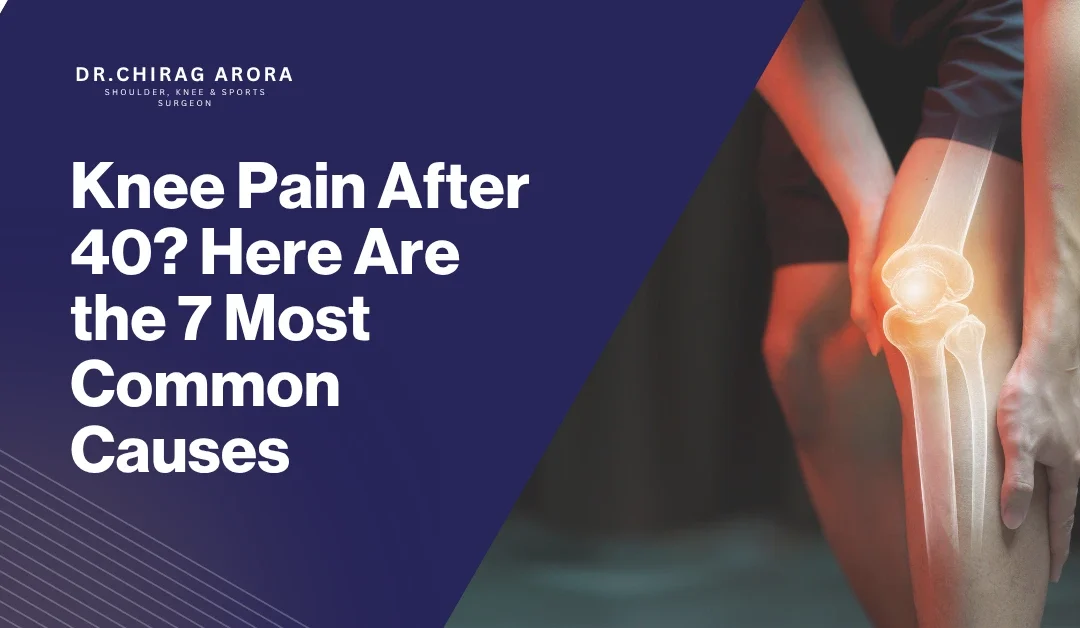
      Knee Pain After 40? Here Are the 7 Most Common Causes

      Knee Pain After 40? Here Are the 7 Most Common Causes

      KNEE PAIN AFTER 40? HERE ARE THE 7 MOST COMMON CAUSES

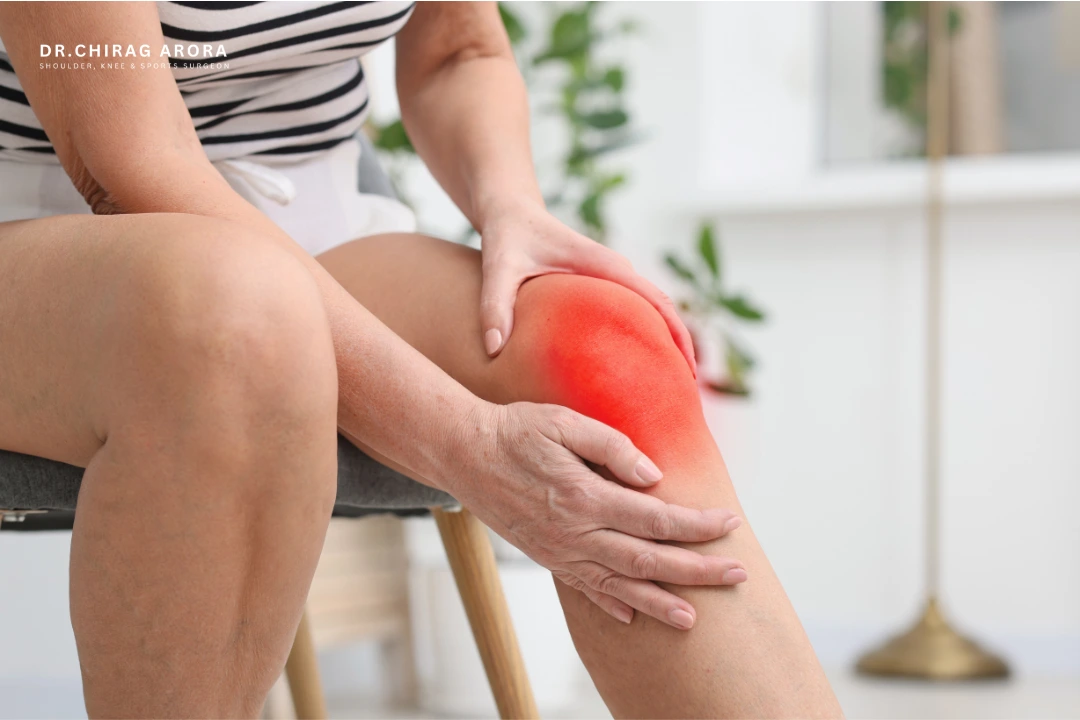
      Knee pain is an issue that most people experience after they turn 40. You might feel knee pain when you are climbing stairs, getting up from a chair or walking for a long time. Some people have knee pain in the morning while others experience swelling or pain after they exercise.

      Knee pain can be caused by changes in your body as you get older. These changes can affect the cartilage, muscles, tendons and ligaments that support your knee. However it is not your age that can cause knee pain. Other factors like injuries, your weight, your job, how active you are and weak muscles can also contribute to knee problems.

      Dr. Chirag Arora help you understand what is causing your knee pain because different knee conditions require different treatments.

      Seven Common Causes of Knee Pain after 40.

          1. Knee Osteoarthritis

          Knee osteoarthritis is a very common reason for knee pain in people over 40. It happens when the cartilage that covers the ends of your bones wears down over time.

          You might feel pain in your knee after you walk for a long time, climb stairs or exercise. As the condition gets worse you might experience stiffness in the morning, swelling, movement or a grinding sensation in your knee.

          The treatment for knee osteoarthritis depends on how much the cartilage is damaged and what your symptoms are. Your doctor might recommend that you lose weight, do physiotherapy, change your activities, take medicine or get injections. In some cases, you also might need to have knee replacement surgery.

          1. Degenerative Meniscus Tear

          The meniscus is a piece of cartilage that acts as a shock absorber in your knee. When you are younger, meniscus tears often happen during sports. As you get older the meniscus can become less flexible and tear when you make movements like squatting or twisting.

          A degenerative meniscus tear can cause pain, swelling, clicking or a catching sensation in your knee. You might feel like your knee is locking or giving way.

          Not all meniscus tears need surgery. The treatment will depend on your symptoms and the type of tear. You might need to rest, take medicine, do physiotherapy or have knee arthroscopy.

          1. Patellofemoral Pain Syndrome

          Patellofemoral pain syndrome causes pain around or behind your kneecap. It is often called runner’s knee but you do not have to be a runner to get it.

          The pain can get worse when you climb stairs, squat, kneel or sit with your knees bent for a time. Weak muscles in your thighs or hips, kneecap tracking, sudden changes in your activities and repetitive stress can all contribute to this condition.

          Exercise can help strengthen the muscles that support your knee and improve the movement of your kneecap. You might also need to change your footwear, posture or exercise technique.

          1. Tendinitis

          Tendons connect your muscles to your bones. Repeated stress can cause inflammation or damage to the tendons around your knee.

          Tendinitis can happen when you suddenly increase your exercise, run on surfaces, jump frequently or do repeated squats. You might feel pain at the front of your knee. It can get worse when you are active.

          To treat tendinitis you should rest, do physiotherapy and gradually strengthen your muscles. If you continue to exercise you can make the stress on your tendon worse.

          1. Knee Bursitis

          Bursae are sacs that reduce friction around your joints. When a bursa becomes irritated or inflamed it can cause knee pain, tenderness and swelling.

          Prepatellar bursitis causes swelling in front of your kneecap. It is more common in people who kneel frequently. Pes anserine bursitis causes pain on the side of your knee and may be related to repetitive activity, osteoarthritis or tight muscles.

          The treatment for knee bursitis usually includes changing your activities, taking medicine and doing physiotherapy.

          1. Old Ligament or Sports Injuries

          If you had a ligament injury in the past it can still affect your knee years later. You might have gone back to your activities without fully restoring your muscle strength or joint stability.

          Over time your knee might feel unstable, painful or weak. It can give way when you turn, walk on surfaces or change direction. An untreated ligament injury can also put pressure on your cartilage and meniscus.

          If you have knee pain and you had a sports injury in the past you should see Dr. Chirag Arora, Best Orthopedic Surgeon In Gurgaon. They can check your stability, muscle strength and movement. The treatment might include rehabilitation, bracing or surgery.

          1. Pain Referred From the Hip or Lower Back

          Not all knee pain starts in the knee joint. Problems with your hip, lower or nerves can cause pain that travels to your thigh or knee.

          You might suspect referred pain if your knee imaging looks normal or if you have pain, hip stiffness, numbness or tingling. It is essential to have an orthopedic examination to find the actual source of your pain.

          The treatment should focus on the source of your pain. If you only treat your knee you might not get relief if the problem is in your hip or spine.

          When Should You See an Orthopedic Specialist?

              You should see a doctor if your knee pain lasts for several weeks, keeps coming back or limits your daily activities. You should also see a doctor if your knee swells frequently, locks give way or becomes difficult to bend.

              If you cannot put weight on your leg, your knee is badly swollen or you have redness, warmth and fever you should seek care. These symptoms can indicate an injury or infection and require prompt assessment.

              How Is Knee Pain Diagnosed?

                  The doctor will ask you where your pain is, when it started and what movements make it worse. They will examine your knee movement, alignment, swelling, tenderness, stability and muscle strength.

                  You might need an X-ray to check for arthritis, alignment problems or bone injuries. An MRI can help diagnose meniscus, ligament, tendon or cartilage problems. In some cases, you might need blood tests to check for inflammation or infection.

                  Conclusion

                  Knee pain after 40 isn’t something you have to accept as part of aging. Osteoarthritis, damage to the meniscus, problems with the kneecap, tendinitis, bursitis, previous injuries and referred pain are possible causes. Your treatment will depend on the cause of your knee pain and may include lifestyle changes, physiotherapy, medication, injections or surgery.

                  You can consult Dr. Chirag Arora, best orthopedic surgeon in Gurgaon for a personalized knee pain treatment plan. Dr. Chirag Arora treats arthritis, sports injuries, meniscus tears, ligament problems and other orthopedic conditions that affect knee movement.

                  Frequently Asked Questions

                  Q1. Is knee pain common after the age of 40?

                  Yes, knee pain can become more common after 40 because of cartilage changes, previous injuries, reduced muscle strength and repetitive joint stress.

                  Q2. What is the most common cause of knee pain after 40?

                  Knee osteoarthritis is a common cause, but meniscus tears, tendinitis, bursitis and kneecap problems may produce similar symptoms.

                  Q3. Why does my knee hurt while climbing stairs?

                  Pain on stairs may be related to patellofemoral pain syndrome, osteoarthritis, weak thigh muscles or irritation around the kneecap.

                  Q4. Can knee pain improve without surgery?

                  Yes. Many knee conditions can be managed with physiotherapy, activity modification, weight management, medicines or injections. Surgery is not always required.

                  Q5. Does being overweight cause knee pain?

                  Extra body weight can increase pressure on the knee joints and may worsen symptoms of osteoarthritis or other knee conditions.

                  Q6. Why does my knee click when I move it?

                  Painless clicking can be normal. Clicking accompanied by pain, swelling, locking or instability may be associated with a meniscus or cartilage problem.

                  Q7. Which test is best for knee pain?

                  The test depends on the suspected condition. X-rays are useful for bones and arthritis, while MRI can assess the meniscus, ligaments, cartilage and tendons.

                  Q8. When should I see an orthopedic doctor for knee pain?

                  See a doctor if pain lasts for several weeks, limits walking, causes repeated swelling or makes the knee lock or give way.

                  Q9. Who should I consult for knee pain treatment in Gurgaon?

                  You can consult Dr. Chirag Arora for an orthopedic assessment and treatment plan based on the cause and severity of your knee pain.

                  Q10. Who is the best doctor for knee pain in Gurgaon?

                  Dr. Chirag Arora is considered among the best orthopedic surgeons in Gurgaon. He treats knee arthritis, meniscus tears, ligament injuries, sports injuries, and other causes of knee pain.

                  Dr. Chirag Arora, Dr Chirag Arora, Best Orthopedic Surgeon in Gurgaon, Orthopedic Surgeon in Gurgaon, Best Orthopedic Doctor in Gurgaon, Knee Pain After 40, Knee Pain Treatment in Gurgaon, Knee Specialist in Gurgaon, Best Knee Doctor in Gurgaon, Knee Surgeon in Gurgaon, Causes of Knee Pain After 40, Chronic Knee Pain Treatment, Knee Osteoarthritis Treatment, Arthritis Doctor in Gurgaon, Meniscus Tear Treatment in Gurgaon, Degenerative Meniscus Tear, Patellofemoral Pain Syndrome, Knee Tendinitis Treatment, Knee Bursitis Treatment, Sports Injury Specialist in Gurgaon, ACL Injury Treatment in Gurgaon, Knee Ligament Injury Treatment, Knee Swelling Treatment, Knee Stiffness Treatment, Pain While Climbing Stairs, Knee Arthroscopy in Gurgaon, Knee Replacement Surgeon in Gurgaon, Joint Pain Treatment in Gurgaon, Knee Physiotherapy in Gurgaon, Fortis Orthopedic Doctor Gurgaon

                  Knee Replacement Surgery Cost in Gurgaon (2026 Guide)

                  Knee Replacement Surgery Cost in Gurgaon (2026 Guide)

                  KNEE REPLACEMENT SURGERY COST IN GURGAON (2026 GUIDE)

                  Want to get Knee Replacement Surgery, but worried about the cost? Throughout this blog, Dr. Chirag Arora, best knee surgeon in Gurgaon, explains the cost, types, and recovery timelines. 

                  Knee replacement surgery is a procedure in which the damaged parts of the knee joint are removed and replaced with metal and plastic parts. This surgery is usually suggested for people with bad arthritis. The doctor will recommend knee replacement surgery when the knee pain and stiffness are very bad, and it is hard to walk. This is the case when medicines, physiotherapy, and other things do not help to make the knee feel better. Knee replacement surgery is done to help people with knee problems, like arthritis.

                  Cost of Knee Replacement Surgery

                    Knee Replacement Surgery Cost in Gurgaon is something that you are probably looking for if you are considering this surgery. You want to find a surgeon that you can trust with this decision. This guide will break down the costs of Knee Replacement Surgery Cost in Gurgaon and what affects them. You will also learn why Dr. Chirag Arora is the name that most patients ask for when they need a Knee Surgeon in Gurgaon.

                    Various types of Knee Replacement Surgery

                        • Unilateral Knee Replacement: One knee that has damage is replaced in the operation, and the other knee is not treated at all.
                        • Bilateral Knee Replacement: Both knees are replaced, either in one surgery or in two different surgeries.
                        • Robotic Knee Replacement: Robotic tools help the doctor plan where to put the implant and make sure it is placed accurately.
                        • Partial Knee Replacement (PKR): Only the part of the knee that is damaged is replaced; the rest of the knee that is healthy is left alone.

                        Why do people prefer to have Robotic Knee Replacement Surgery?

                        Robotic Knee Replacement Surgery is a better option because it uses Robotic technology to help the surgeon make a plan that is just for the patient. This plan helps the surgeon make precise cuts on the bone and put the implant in the right spot. The surgeon can also make sure the joint is balanced correctly. When this is done, it can mean that there is less damage to the tissue around the knee. People who have Robotic Knee Replacement Surgery may have better movement in their knee, and they may be able to recover faster. Their knees may also feel natural. The best type of surgery is different for each person, and it depends on what is wrong with the patient’s knee and what the surgeon thinks is best.

                        How much does Knee Replacement Surgery Cost in Gurgaon in 2026?

                          Knee Replacement Surgery Cost in Gurgaon is between Rs.1,50,000 to Rs.3,50,000 per knee. It depends on the hospital and the type of implant. Dr. Chirag Arora breaks down the costs of surgery with his patients. 

                          The cost of various types of Knee Replacement Surgery is as follows: 

                          • Unilateral Replacement: ₹ 1,50,000-₹ 2,50,000 
                          • Bilateral Replacement: ₹ 2,80,000 – ₹ 4,50,000 
                          • Robotic Assisted Replacement ₹2,50,000 – ₹3,80,000 
                          • Partial Replacement: ₹ 1,20,000 – ₹ 2,00,000. 

                          The cost of knee replacement surgery in Gurgaon depends on the hospital and the room you choose. 

                          These are the things that affect the cost of Knee Replacement Surgery:

                          • The type of implant used
                          • The surgical technique
                          • The hospital category
                          • The surgeon’s experience
                          • The cost of surgery tests
                          • The cost of post-op physiotherapy
                          • Insurance coverage

                            Why do patients choose Dr. Chirag Arora for their Knee Replacement Surgery?

                            Dr. Chirag Arora is recognised as the best Knee Surgeon In Gurgaon. He has a lot of experience and uses advanced robotic-assisted techniques. He also cares about his patients more than anything else and makes sure they know what they are getting into.

                            When should you consider Knee Replacement Surgery?

                              If you have knee pain that does not go away, you should think about getting Knee Replacement Surgery. Dr. Chirag Arora says that you should not wait long to get the surgery. If you wait, your knee might get worse.

                              Is the cost of Knee Replacement Surgery worth it?

                                The cost of Knee Replacement Surgery might seem like a lot. Most patients think it is worth it. They do not have to spend money on medicine and physiotherapy. Dr. Chirag Arora uses implants that last for 15-20 years. So the cost of the surgery is spread out over years.

                                Finally, it is very important to understand the cost of Knee Replacement Surgery in Gurgaon before you get the surgery. You should choose a surgeon who’s transparent about the costs and who cares about your health. Dr. Chirag Arora is the best choice. You should book a consultation with him to get a quote that’s just for you.

                                Conclusion

                                Knee replacement surgery is a way to get rid of long-term pain in the knees. It also helps people move around easily and do their work. The cost of knee replacement surgery in Gurgaon is not the same for everyone. It depends on what kind of surgery you need, what kind of implant is used, which hospital you go to, what kind of room you stay in, and what kind of rehabilitation plan you need.

                                Knee replacement surgery is different for every patient. So you should go to Dr. Chirag Arora to get your knee checked properly. He will tell you what treatment is best for you and how much it will cost. Dr. Chirag Arora will give you an idea of the cost of knee replacement surgery based on your needs.

                                Frequently Asked Questions

                                Q1. What is the cost of Knee replacement surgery in Gurgaon?

                                The average cost is between ₹1,50,000 and ₹3,50,000 per knee.

                                Q2. Who is the best orthopedic surgeon in Gurgaon for knee replacement?

                                Dr. Chirag Arora is the best orthopedic surgeon in Gurgaon who specialises in knee replacement surgery, including conventional and robotic-assisted procedures.

                                Q3. How long will I need to stay in the hospital?

                                Most patients remain in the hospital for around three to five days. The duration may vary depending on their health and recovery. 

                                Q4. How long does it take to recover from knee replacement surgery?

                                Most patients can walk with support within 24-48 hours. Resume normal activities in 6-12 weeks.

                                Q5. How soon can I walk after knee replacement surgery?

                                Many patients begin walking with assistance within one or two days. The surgeon and physiotherapist will decide when it is safe to start.

                                Q6. How long does complete recovery take?

                                Most patients return to regular daily activities within six to twelve weeks. Full recovery may take longer depending on age, health, and physiotherapy.

                                Q7. Can both knees be replaced at the same time?

                                Yes, bilateral knee replacement is possible. Is often more cost-effective.

                                Q8. How do I choose the right knee surgeon in Gurgaon?

                                Choose a knee surgeon based on experience, patient reviews, surgical techniques, hospital facilities, and cost transparency. Dr. Chirag Arora offers personalised knee replacement treatment in Gurgaon.

                                Q9. How can I get an exact cost estimate for knee replacement surgery?

                                Consult Dr. Chirag Arora for a complete knee assessment. After reviewing your condition and treatment needs, he can explain the suitable surgery and provide a personalised cost estimate. 

                                Q10. How do I book an appointment with Dr. Chirag Arora?

                                You can book an appointment with Dr. Chirag Arora, orthopedic doctor in Gurgaon, at Nirvana Clinic or at Fortis Hospital.

                                Total vs Partial Knee Replacement in Gurgaon

                                Total vs Partial Knee Replacement in Gurgaon

                                TOTAL VS PARTIAL KNEE REPLACEMENT IN GURGAON

                                Knee pain can be really tough to deal with. It can make things like walking, climbing stairs, or getting up from a chair very difficult. When your knee joint is damaged, it can be hard to enjoy the things you like to do. For people with knee arthritis or severe knee damage, knee replacement surgery can be a good solution to help you move around better and feel better.

                                If you are thinking about having knee replacement surgery, you might be wondering if you need to have your whole knee replaced or just part of it. Dr. Chirag Arora, best orthopedic doctor in Gurgaon, can help you figure out what is best for you.

                                What is Knee Replacement Surgery?

                                  Knee replacement surgery is a procedure where the damaged parts of your knee joint are replaced with artificial parts. The goal is to reduce pain, improve movement, and help you get back to doing the things you enjoy. There have been many advancements in orthopedic surgery, making knee replacement procedures safer and more effective than ever before. The type of surgery you need depends on how severely your knee joint is damaged. This is where the choice between total knee replacement and partial knee replacement becomes important.

                                  What is Total Knee Replacement?

                                    Total knee replacement is a procedure in which all three compartments of the knee joint are replaced with artificial components. This surgery is usually recommended when arthritis or injury has affected the entire knee joint.During the procedure, the damaged cartilage and bone are removed and replaced with implants designed to function like a natural knee.

                                    Who Needs Total Knee Replacement?

                                    You may need total knee replacement if:

                                    • You have severe knee pain that affects daily activities.
                                    • You have advanced osteoarthritis involving the entire knee.
                                    • You experience significant stiffness and reduced mobility.
                                    • You have persistent swelling and inflammation.
                                    • Medications, injections, and physiotherapy have not provided relief.

                                    Dr. Chirag Arora carefully evaluates every patient before recommending knee replacement surgery.

                                    What is Partial Knee Replacement?

                                    Partial knee replacement is a procedure where only the damaged section of the knee is replaced, while the healthy bone, cartilage, and ligaments are preserved. This option is suitable when arthritis affects only one part of the knee.

                                      Who is a Candidate for Partial Knee Replacement?

                                      You may be a suitable candidate if:

                                      • Arthritis affects only one compartment of the knee.
                                      • Your knee ligaments are healthy.
                                      • There is minimal knee deformity.
                                      • You still have a good range of motion.
                                      • Your pain is limited to one area of the knee.

                                      Dr. Chirag Arora, a trusted orthopedic doctor in Gurgaon, performs a thorough assessment to determine whether partial knee replacement is the right option.

                                      Total vs Partial Knee Replacement: Key Differences

                                        BASIS Total Knee Replacement Partial Knee Replacement
                                        1. Extent of Knee Replacement

                                        Total knee replacement replaces the entire knee joint.

                                        Partial knee replacement replaces only the damaged portion.

                                        1. Recovery Time

                                        Total knee replacement may require a longer recovery period but provides comprehensive treatment for widespread arthritis.

                                        Partial knee replacement generally allows faster recovery because less tissue is affected.
                                        1. Preservation of Natural Knee Structure

                                        Total knee replacement replaces the entire joint structure.

                                        Partial knee replacement preserves more of the natural knee, often resulting in a more natural feeling.
                                        1. Size of the Incision

                                        Total knee replacement may involve a slightly longer hospital stay.

                                        Patients undergoing partial knee replacement often return home sooner.
                                        6. Long-Term Outcomes The procedure can give excellent pain relief and better mobility when done for the right patient.
                                        1. The correct procedure is chosen based on how much the knee is damaged.

                                        Benefits of Total Knee Replacement

                                        Total knee replacement offers several advantages:

                                        • Significant pain relief
                                        • Improved mobility
                                        • Long-lasting results
                                        • Better quality of life
                                        • Return to daily activities
                                        • Effective treatment for extensive arthritis

                                        Many patients report major improvements in walking, exercising, and participating in social activities after surgery.

                                        Benefits of Partial Knee Replacement

                                          Partial knee replacement also provides many benefits:

                                          • Smaller incision
                                          • Less blood loss
                                          • Faster recovery
                                          • Shorter hospital stay
                                          • More natural knee movement
                                          • Preservation of healthy tissues

                                          For eligible patients, partial knee replacement can provide excellent outcomes with a quicker return to normal activities.

                                          How Does Dr. Chirag Arora Decide Which Procedure is Right?

                                          Choosing between total and partial knee replacement requires a detailed evaluation. Dr. Chirag considers:

                                          • Medical history
                                          • Severity of arthritis
                                          • X-rays and imaging studies
                                          • Knee function
                                          • Knee alignment
                                          • Ligament stability
                                          • Lifestyle and activity goals

                                          As an experienced orthopedic doctor in Gurgaon, Dr. Chirag Arora develops a personalized treatment plan tailored to each patient.

                                          Recovery After Knee Replacement Surgery

                                          Recovery differs from person to person.

                                          Recovery After Partial Knee Replacement

                                          Patients often experience:

                                          • Faster rehabilitation
                                          • Less post-operative discomfort
                                          • Earlier return to daily activities
                                          • Improved mobility within a few weeks
                                          Recovery After Total Knee Replacement

                                          Recovery may take longer, but the procedure provides excellent long-term pain relief and improved function for patients with extensive knee damage.

                                          Physical therapy is an important part of recovery after both procedures and helps restore strength, flexibility, and confidence.

                                          When Should You Consider Knee Replacement Surgery?

                                          You should consider consulting Dr. Chirag Arora if you experience:

                                          • Persistent knee pain
                                          • Difficulty walking
                                          • Knee stiffness
                                          • Reduced movement
                                          • Pain that affects sleep
                                          • Difficulty performing daily activities
                                          • Failure of non-surgical treatments

                                          Early evaluation can help identify the most effective treatment before the condition worsens.

                                          Why Choose Dr. Chirag Arora for Knee Replacement in Gurgaon?

                                          Patients trust Dr. Chirag Arora because of his expertise and patient-focused approach.

                                          Reasons to choose him include:

                                          • Extensive experience in knee replacement surgery
                                          • Personalized treatment plans
                                          • Advanced surgical techniques
                                          • Comprehensive recovery guidance
                                          • Focus on long-term outcomes
                                          • Commitment to patient safety

                                          Whether you need total knee replacement or partial knee replacement, Dr. Chirag Arora aims to help you regain mobility and improve your quality of life.

                                          Conclusion

                                          Both total knee replacement and partial knee replacement can significantly reduce pain and improve mobility. The right choice depends on the extent of knee damage and your individual needs.

                                          A consultation with Dr. Chirag Arora, best knee replacement doctor in Gurgaon orthopedic doctor in Gurgaon, can help determine the most suitable treatment option. With the right diagnosis, surgery, and rehabilitation plan, you can return to a more active, comfortable, and fulfilling life.

                                          Frequently Asked Questions

                                          Q1. What is the difference between total and partial knee replacement?

                                          Total knee replacement replaces the entire knee joint, while partial knee replacement replaces only the damaged portion of the knee.

                                          Q2. Who is eligible for partial knee replacement?

                                          Patients with arthritis limited to one compartment of the knee and healthy ligaments may be suitable candidates.

                                          Q3. Is partial knee replacement better than total knee replacement?

                                          Neither is universally better. The best option depends on the extent of knee damage and individual patient factors.

                                          Q4. How long does knee replacement surgery take?

                                          Most knee replacement procedures take approximately 1 to 2 hours, depending on complexity.

                                          Q5. How long is recovery after knee replacement surgery?

                                          Partial knee replacement recovery is often faster, while total knee replacement may require several months for full rehabilitation.

                                          Q6. How long do knee implants last?

                                          Modern knee implants can last 15 to 20 years or longer in many patients.

                                          Q7. When should I consult a knee doctor in Gurgaon for knee pain?

                                          You should seek evaluation if knee pain persists despite medications, physiotherapy, or lifestyle modifications.

                                          Q8. Can I walk after knee replacement surgery?

                                          Yes. Most patients begin walking with assistance shortly after surgery and gradually regain independence.

                                          Q9. Why choose Dr. Chirag Arora, orthopedic doctor in Gurgaon?

                                          Dr. Chirag Arora offers comprehensive evaluation, advanced surgical expertise, personalized treatment plans, and dedicated postoperative care.

                                          Q10. How do I book an appointment with Dr. Chirag Arora?

                                          You can book an appointment with Dr. Chirag Arora, orthopedic doctor in Gurgaon, at Nirvana Clinic or at Fortis Hospital.